
Milla biflora
Milla biflora
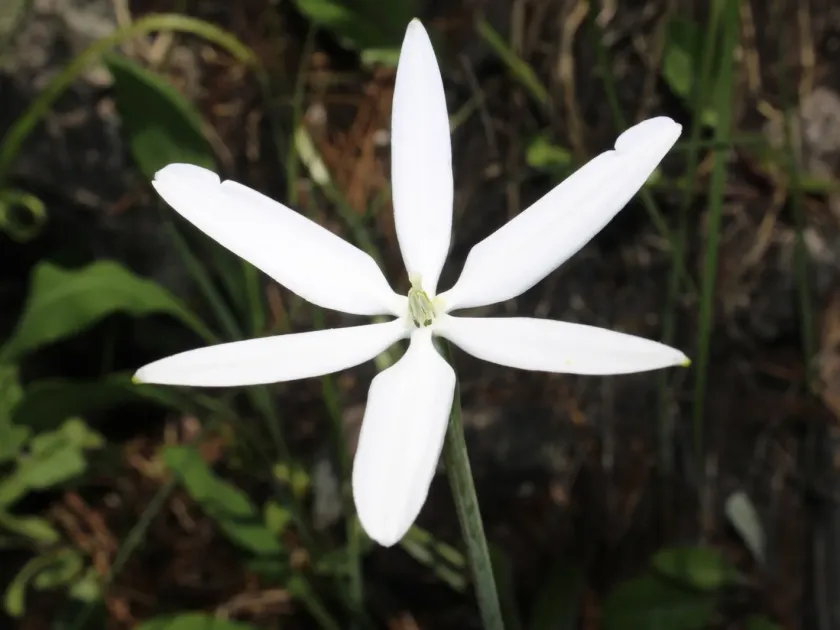
Description
Sowing dates
Planting Milla biflora bulbs should be carried out in the spring, once the threat of frost has completely passed and the soil has warmed up sufficiently.
In regions with mild winters, planting can occur in the fall, but in temperate climates, the bulbs must be lifted and stored indoors to prevent winter kill.
The bulbs should be planted at a depth of 5 to 8 centimeters, ensuring that the soil medium provides adequate structural support for the emerging shoot.
Maintaining a spacing of 10 to 15 centimeters between plants is essential for airflow and the prevention of competition for nutrients during the active growing cycle.
For early bloomers, gardeners often start bulbs in pots indoors several weeks before the last frost date, transplanting them outside once weather conditions stabilize.
Growing requirements
Milla biflora, commonly known as the Mexican star, is a charming bulbous perennial belonging to the Asparagaceae family, native to the high-altitude regions of Mexico and the Southwestern US.
This species thrives in locations with full sun exposure, as sufficient solar radiation is critical for the development of its distinct, star-shaped white flowers.
The soil must be light, well-draining, and slightly sandy; poor drainage will inevitably lead to bulb decay and the rapid decline of the entire plant population.
While the plant is adapted to high altitudes, it requires consistent moisture during its growing season, followed by a distinct dry period after the foliage yellows.
Neutral soil pH levels are optimal, as they allow for the best uptake of essential micro and macronutrients, promoting vigorous growth and vibrant floral displays.
Main diseases and pests
The most significant threat to Milla biflora is root rot caused by stagnant water, which often occurs in heavy clay soils or during periods of excessive rainfall.
Fungal infections can also manifest as leaf spots, particularly if the humidity remains high and the foliage does not have sufficient time to dry out properly.
Common garden pests such as aphids and spider mites may infest the plant during hot, dry spells, necessitating the use of targeted biological or chemical control agents.
Bulb-eating larvae or rodents can be an issue in some environments, making the use of protective wire mesh baskets a prudent choice for many gardeners.
Proper hygiene, such as the removal of debris and the use of fungicide-treated storage containers, is vital to prevent the spread of diseases during the dormant phase.
Harvesting
The harvesting of bulbs occurs in autumn after the leaves have withered and turned yellow, indicating that the bulb has entered a state of physiological dormancy.
After lifting, the bulbs should be cleaned of soil and debris, air-dried in a shaded, well-ventilated area, and then stored in dry peat or vermiculite.
Correct storage conditions involve maintaining a cool temperature and low humidity to prevent rot and premature sprouting before the next spring planting cycle.
When harvesting flowers for ornamental use, it is best to cut the stems when the buds are just beginning to open to maximize their longevity in a vase.
Periodic division of bulb clusters is recommended every few years to prevent overcrowding, which can otherwise lead to smaller flowers and decreased vigor in the plants.