
Milla magnifica
Milla magnifica
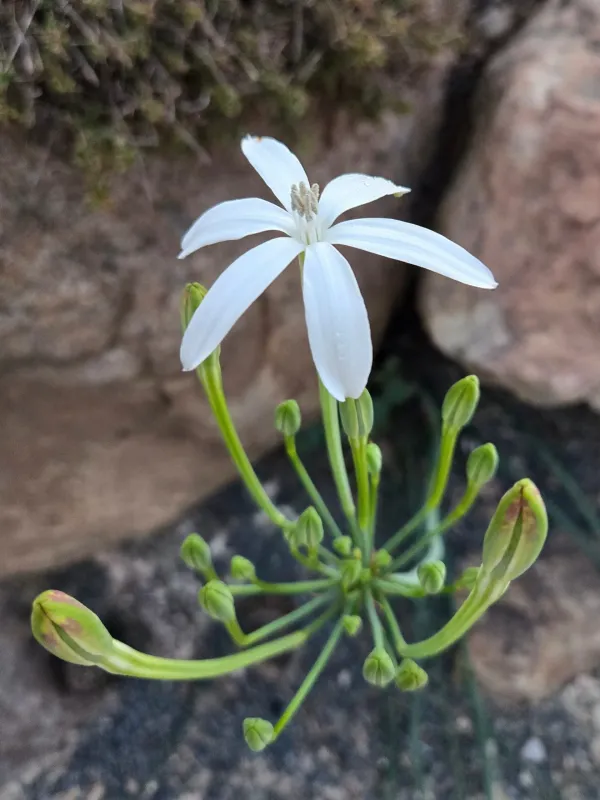
Description
Sowing dates
Planting Milla magnifica bulbs outdoors is carried out in the spring, once the threat of night frosts has passed and the soil has warmed to at least 12–15 degrees Celsius.
For regions with colder climates, preliminary forcing in containers is preferred, allowing the plant to establish a root system before being moved to its permanent location.
The planting depth of the bulbs should be approximately 8–10 centimeters, which provides protection against overheating and promotes the proper development of the flower stalk.
The optimal spacing between specimens during mass planting is 15–20 centimeters, which prevents overcrowding and facilitates easier care of the plants during the growing season.
When using the seed propagation method, sow in a protected environment in late winter or early spring using a light, nutrient-rich substrate, followed by pricking out the seedlings.
Growing requirements
Milla magnifica prefers well-lit areas, as shade can cause the flower stalks to stretch and lose their structural stability and ornamental quality.
The crop requires loose, well-drained soil with a neutral or slightly acidic pH, as water stagnation in the bulb zone inevitably leads to rot.
The plant is a member of the Asparagaceae family and is native to the mountainous regions of Mexico, which dictates its need for moderate watering and a dry dormancy period.
During the active growth phase, Milla requires regular but moderate fertilization with complex mineral fertilizers high in potassium and phosphorus.
The temperature regime is a critical factor for development: during the dormancy period, bulbs should be kept in a cool, dry place at temperatures no higher than 10 degrees.
Main diseases and pests
The most serious threat to this crop includes fungal diseases caused by waterlogged soil, such as gray mold and bulb fusarium.
When affected by fungal infections, leaves yellow and die off, and characteristic spots appear on the bulbs, requiring the removal of affected areas and fungicide treatment.
Among pests, the greatest damage to Milla is caused by soil nematodes and the onion fly, which damage the basal plate and root system, weakening the entire plant.
Prevention of pest damage includes pre-planting treatment of bulbs with specialized insecticidal preparations and adherence to crop rotation practices.
It is important to monitor the condition of plantings during rainy seasons, ensuring additional soil aeration to prevent the development of rotting processes.
Harvesting
Bulb harvesting is performed in the autumn, after the foliage has fully turned yellow and dried naturally, indicating that the plant has entered a state of deep physiological dormancy.
After extraction from the soil, bulbs should be gently cleaned of residual dirt and dried in a well-ventilated area away from direct sunlight for 7–10 days.
For long-term storage, only healthy, firm bulbs without signs of mechanical damage, pests, or disease should be selected.
Storing the planting material in dry boxes filled with sawdust or vermiculite is recommended, as this helps maintain optimal humidity and prevents the outer scales from drying out.
Regular sorting of the stored bulbs allows for the timely identification and removal of decaying specimens, preserving the overall integrity of the collection.