
Fusifilum
Fusifilum
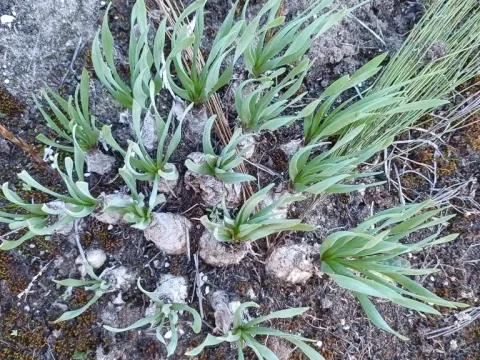
Fusifilum is a genus of perennial bulbous plants belonging to the Asparagaceae family. In recent botanical taxonomies, many species within this genus have been integrated into the larger genus Drimia, reflecting its complex systematic classification.
What the section contains


Fusifilum
This crop is characterized by its succulent growth pattern, typical of geophytes that have evolved in semi-arid environments. It stores water and nutrients in its bulb, which serves as a reservoir for survival during dry seasons.
Successful cultivation requires a highly permeable substrate. A mix consisting primarily of coarse sand and inorganic material is essential to provide the drainage necessary to prevent root and bulb rot.
The plant thrives in high-light conditions, requiring significant solar exposure to maintain its compact form. Inadequate light levels often lead to etiolation, where the plant grows weak, elongated, and loses its structural integrity.
Temperature management is a critical component of the crop's life cycle. During the dormancy period, the plant requires a dry, cool environment to reset its metabolic processes and prepare for the next growth spurt.
Fungal pathogens are the primary threat to Fusifilum, particularly when the root zone remains waterlogged. Pathogens such as Fusarium or Pythium can decimate a collection if drainage is insufficient.
Pests such as mealybugs and spider mites are common in indoor or greenhouse settings. These insects target the leaf bases and protected crevices, often going unnoticed until the infestation is advanced.
Physiological stress resulting from irregular watering cycles significantly weakens the plant's immunity. Fluctuations in soil moisture can induce rapid decomposition of the fleshy root tissues.
Mechanical damage during repotting is another vulnerability that exposes the plant to bacterial soft rot. Tools and containers should be sterilized to ensure the health of the bulbous structures.
Preventative care involves consistent monitoring of soil humidity and maintaining optimal airflow. If an infection is detected, the affected parts must be isolated immediately to prevent the spread to healthy bulbs.