
Fusifilum depressum
Fusifilum depressum
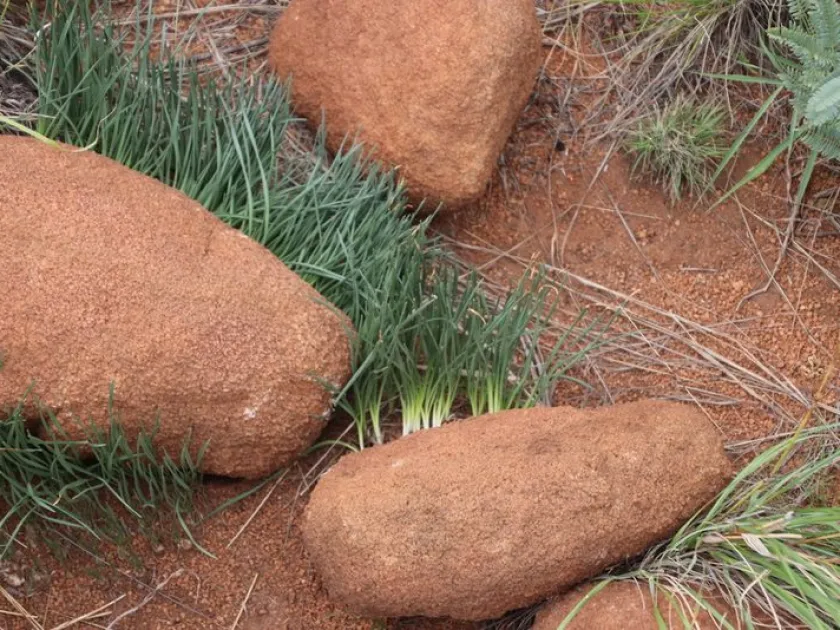
Description
Growing requirements
Fusifilum depressum is a distinctive succulent belonging to the Asparagaceae family. Native to the arid regions of Southern Africa, it has evolved to thrive in environments with sparse rainfall and rocky, nutrient-poor soil conditions.
The plant is categorized as a caudiciform succulent, characterized by a flattened, disk-like bulb that sits flush against the ground. This evolutionary adaptation allows the plant to reduce exposure to intense sunlight and minimize water evaporation.
For successful cultivation, the substrate must mimic the plant's natural habitat. A highly inorganic mix, primarily composed of pumice, perlite, and coarse sand, is essential to ensure rapid drainage and prevent water accumulation around the caudex.
Light requirements for this species are significant. Fusifilum depressum thrives under bright, filtered sunlight, which encourages compact growth. Insufficient light levels will cause the plant to etiolate, losing its iconic, natural aesthetic and potentially weakening its physiological health.
The watering schedule is determined by the plant's growth cycle. During the growing season, moderate water can be provided once the soil has dried out completely. However, during the dormancy phase, the plant must be kept bone-dry to mirror its native seasonal climate.
Main diseases and pests
The most severe threat to Fusifilum depressum is overwatering. Excessive moisture in the growing medium leads to rapid root rot and degradation of the caudex, which are often irreversible conditions for this succulent species.
Pests such as mealybugs represent a significant challenge in container gardening. These insects prefer to hide in the tight spaces between the plant's scales and leaf bases, often going unnoticed until the infestation is severe.
Spider mites can also be problematic if the humidity levels drop too low and temperatures rise excessively during the active growth phase. Their feeding habits cause localized damage to the epidermis, which can lead to further vulnerability to secondary infections.
Cultural prevention is the primary method of defense. Maintaining proper air circulation, keeping the plant clean, and strictly observing a dry dormancy period drastically reduce the risk of both pest outbreaks and fungal infections.
If any signs of rot are detected, it is crucial to perform emergency surgery, cutting away the necrotic tissue with a sterile instrument and allowing the wound to callous completely before attempting any re-rooting or further irrigation.