
Furcraea macrophylla
Furcraea macrophylla
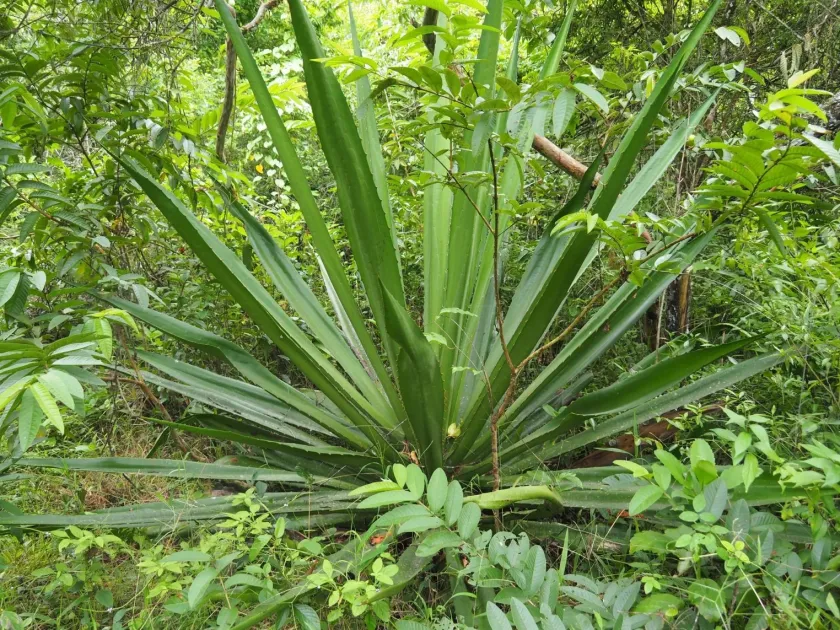
Description
Sowing dates
Furcraea macrophylla is primarily propagated through vegetative means, specifically using bulbils that develop on the tall flower stalks after the plant completes its flowering cycle.
These bulbils are collected and initially placed in nurseries or directly planted in prepared field beds once they attain a sufficient size, typically 15–20 cm in height.
The timing of planting is crucial and should coincide with the beginning of the rainy season to ensure that young plants establish a robust root system before the dry period.
Planting density is determined by the intended level of mechanization, with row spacing often set between 2.5 and 3 meters to facilitate maintenance and harvesting operations.
Early-stage weed management is vital, as the growth rate of this succulent is relatively slow during the first year, making it vulnerable to competition from invasive grasses.
Growing requirements
As a member of the Asparagaceae family, Furcraea macrophylla thrives in tropical climates characterized by warm temperatures and an absence of frost throughout the year.
The plant demands well-drained soil conditions; sandy loam or loamy soils are ideal, as stagnant water is detrimental and often leads to root rot and systemic decay.
While the plant exhibits significant drought tolerance due to its succulent leaf anatomy, supplemental irrigation is necessary during peak growing seasons to maximize leaf length and fiber quality.
Full sun exposure is required for optimal physiological performance, as shading restricts the plant's ability to synthesize the biomass needed for commercial fiber extraction.
Soil pH should ideally be in the neutral range, and a balanced fertility program focusing on nitrogen availability will support the development of large, healthy leaves.
Yield
The economic yield of Furcraea macrophylla is measured by the quantity and quality of natural fibers extracted from the mature leaves through the process of decortication.
In a well-managed plantation, the first harvestable leaves can be collected 3 to 5 years after planting, depending on climatic conditions and soil fertility levels.
The fiber content generally ranges from 2% to 4% of the total fresh weight of the leaves, meaning efficient processing technologies are essential for commercial viability.
Continuous harvesting of lower-tier mature leaves allows the plant to remain productive for over a decade before the terminal flowering event ends its life cycle.
Higher yields are achieved through strict adherence to harvest schedules, ensuring that only physiologically mature leaves are processed to maintain high fiber tensile strength.
Main diseases and pests
Fungal pathogens represent the most significant threat to the crop, particularly in environments with poor drainage or excessive humidity, which promote rot in the base of the leaves.
Various insect pests, including leaf-feeding larvae, can damage the epidermis of the plant, creating entry points for secondary bacterial infections that weaken the fiber structure.
Proactive field management involves removing infected debris and maintaining adequate plant spacing to encourage airflow, which is a key defense against humidity-related diseases.
If an infestation or infection is detected, rapid isolation or removal of affected plants is recommended to protect the integrity of the remaining plantation.
Mechanical damage during harvesting should be avoided, as open wounds are the primary pathway for the introduction of harmful soil-borne pathogens.
Harvesting
Harvesting is performed by identifying leaves that have reached physiological maturity, characterized by their length, color, and firm, fleshy texture.
The leaves are harvested by cutting them close to the stem using sharp machetes or specialized mechanical cutters, taking care not to damage the plant's central growing point.
Immediate transportation of harvested leaves to processing facilities is critical, as leaf oxidation and degradation can occur rapidly, negatively impacting the fiber's color and strength.
The extraction process (decortication) involves mechanical crushing and scraping to remove the pulp from the fibers, followed by thorough washing and drying under the sun.
Once dried, the fibers are graded based on length and quality to meet specific industrial requirements for textile production, rope making, or other technical applications.