
Fusifilum physodes
Fusifilum physodes
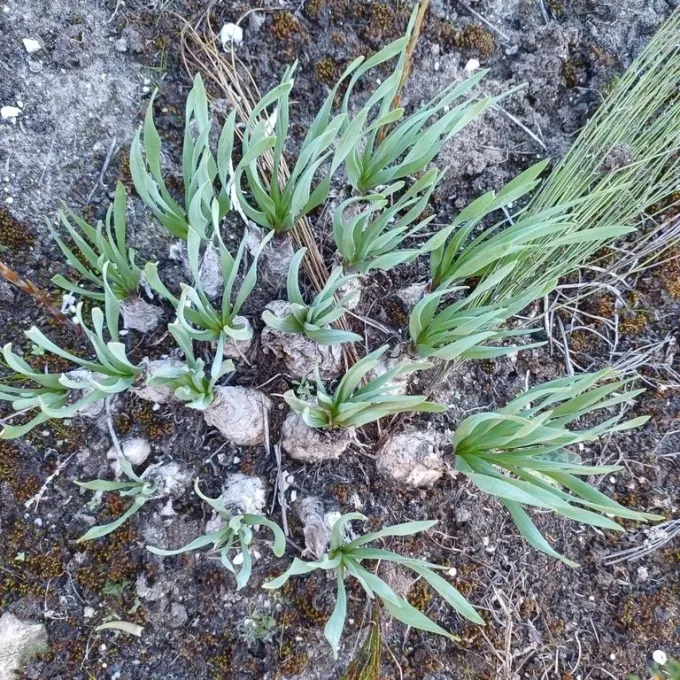
Description
Sowing dates
Planting of Fusifilum physodes, a member of the Asparagaceae family, is typically performed during the bulb's dormant phase to ensure optimal establishment.
The ideal planting window is the early autumn, allowing the bulb to acclimate to the substrate before the onset of the active growth cycle.
When propagating via seeds, sow into a well-draining mineral-rich substrate, ensuring the seeds are lightly covered to maintain consistent moisture levels.
Maintain temperatures between 18 and 22 degrees Celsius to facilitate successful germination and initial root development of the young seedlings.
Placement depth should be consistent with two to three times the diameter of the bulb, ensuring the plant is secured within the growing medium.
Growing requirements
The species requires sandy or gritty soil textures with excellent permeability to prevent waterlogging, which is a major physiological stressor for this plant.
Native to African landscapes, Fusifilum physodes exhibits strong resistance to high solar radiation and requires full sun exposure for healthy growth.
Climatic requirements necessitate a pronounced dry period, which is essential for the plant's metabolic reset and subsequent initiation of the flowering stage.
Watering should be managed with precision; providing moisture during the growth phase while ensuring absolute dryness during the dormancy period is crucial.
The soil should have a neutral pH balance to optimize nutrient uptake, avoiding heavy clay soils that impede root respiration and water drainage.
Main diseases and pests
Fungal pathogens causing root rot represent the primary threat, usually triggered by poor drainage or over-irrigation during periods of inactivity.
Spider mites can become an issue in low-humidity environments, necessitating regular monitoring of leaf undersides and occasional misting if necessary.
Soil-borne pests may jeopardize bulb integrity, making the use of sterile or high-quality substrates a fundamental part of the integrated pest management plan.
Preventative measures against rot include checking bulbs for signs of damage before planting and ensuring proper airflow around the base of the plant.
Strict hygiene in the growing area is required to prevent the spread of diseases, ensuring that only healthy specimens are kept in the collection.