
Giant star-of-Bethlehem
Ornithogalum magnum
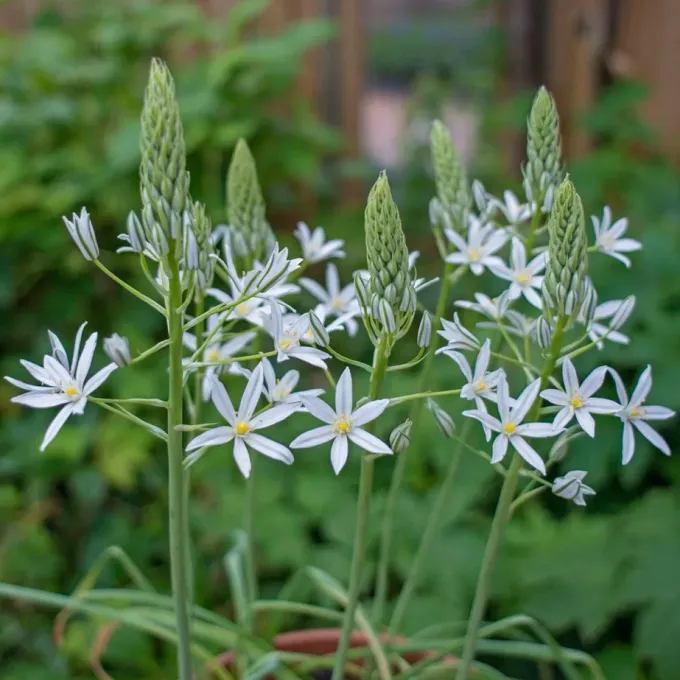
Description
Sowing dates
Planting of Ornithogalum magnum bulbs is typically conducted in the autumn, during September or October, before the arrival of hard ground frosts.
This timing allows the root system to establish itself effectively before winter, ensuring robust growth and bloom during the following spring season.
If spring planting is preferred, it should be done once the soil has warmed to at least 8–10 degrees Celsius, though this may delay the flowering stage.
The optimal planting depth is approximately 8–10 centimeters, adjusted according to the bulb size and the texture of the soil in the garden bed.
A spacing of 15–20 centimeters between plants is recommended to ensure adequate air circulation and to minimize competition for nutrients during growth.
Growing requirements
Ornithogalum magnum belongs to the Asparagaceae family and thrives in open, sunny locations that receive at least six hours of direct sunlight daily.
The plant requires fertile, well-draining soil with a neutral to slightly acidic pH to maintain healthy physiological processes throughout the season.
While the species is hardy, it is highly sensitive to waterlogged conditions, which can lead to rapid rot of the bulbs during the dormant period.
Moderate but consistent irrigation is required during the active growth phase, particularly as the flower stalks begin to develop and expand.
Applying a balanced mineral fertilizer early in the spring and again after flowering helps replenish soil nutrients and supports future bulb development.
Main diseases and pests
The primary threats to Ornithogalum magnum are fungal diseases, most notably basal rot, which thrives in conditions of excessive soil moisture.
Bulb rot is a serious concern that can destroy entire clusters if drainage is poor, especially during periods of heavy spring rainfall or winter thawing.
Root mites are common pests that feed on the bulb tissue, weakening the plant and making it more susceptible to secondary bacterial and fungal infections.
Slugs and snails can cause significant foliage damage, which reduces the plant's ability to store energy in the bulbs for the next season's bloom.
Preventative measures include treating bulbs with suitable fungicides before planting and ensuring that the planting site has excellent water drainage.
Harvesting
Harvesting for propagation purposes is performed once the foliage has completely yellowed, signaling that the nutrients have returned to the bulb.
The lifted bulbs should be gently cleaned, dried in a shaded, well-ventilated area, and inspected for any signs of mechanical damage or pathogens.
As the plant has a relatively short dormancy period, it is crucial to store bulbs in a cool, dry environment to prevent premature sprouting during winter.
In most landscapes, Ornithogalum magnum can remain undisturbed for several years until the clusters become overcrowded and require thinning.
Seed collection is possible when capsules turn brown, but bulb division is the standard and most reliable method for reproducing this specific crop.