
Barnardia numidica
Barnardia numidica
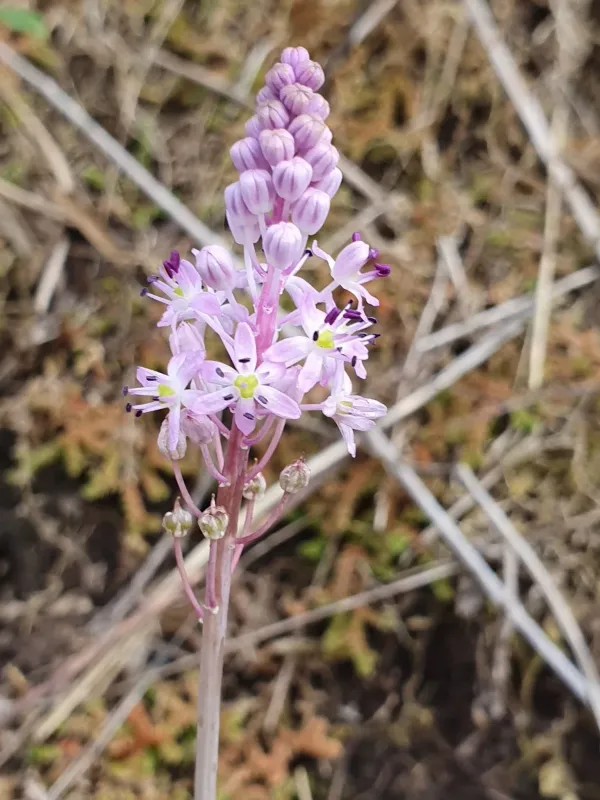
Description
Sowing dates
The optimal planting time for bulbs is during the autumn, when soil temperatures drop to approximately +10...+12 degrees Celsius. This timing facilitates root development before the onset of extreme winter conditions.
Bulbs should be planted at a depth of 5–8 cm. Deep planting in sandy or well-aerated soils protects the bulbs from surface temperature fluctuations, while shallow planting is risky in regions with frost.
For container-grown specimens, a coarse drainage layer is essential at the bottom of the pot. Utilizing a gritty soil mix prevents the accumulation of moisture around the basal plate of the bulb.
Space the bulbs 10–12 cm apart to ensure adequate airflow around the foliage. Proper spacing reduces humidity buildup, which is a major factor in preventing fungal infections in close plantings.
Minimal fertilization is required during the active growing season. A balanced, low-concentration liquid fertilizer can support flower production without promoting excessive, soft vegetative growth.
Growing requirements
Barnardia numidica is a perennial bulbous plant belonging to the Asparagaceae family. Historically associated with Hyacinthaceae, this plant is a distinct species known for its specific ecological preferences.
The species originates from North Africa, particularly regions in Algeria and Tunisia. It is naturally adapted to a Mediterranean climate, characterized by dry, hot summers and mild, wet winters, which dictates its seasonal growth pattern.
This crop thrives in loose, well-drained soils with a neutral or slightly alkaline pH. Waterlogging is extremely detrimental to the bulbs, making proper soil drainage a non-negotiable requirement for successful cultivation.
The plant is highly heliophilic and requires full sun exposure to flourish. Providing insufficient light often results in elongated, weak foliage and failure to produce healthy, vigorous blooms.
Botanically, the plant is characterized by a compact rosette of narrow, lanceolate leaves. Its inflorescences consist of small, star-shaped flowers on stalks reaching 15-30 cm, making it an excellent candidate for specialized bulb gardens.
Main diseases and pests
The most significant threats to this crop are fungal infections, including Fusarium rot and gray mold (Botrytis). These pathogens thrive in environments where soil moisture management is poorly executed.
Common pests include onion flies and various bulb mites. These organisms can penetrate the bulb tissues, causing decay and significant yield loss if infestations are not detected and treated promptly.
Disease prevention relies heavily on the use of clean, disease-free planting stock and the application of appropriate fungicide dips before storage. Maintaining proper hygiene in the garden is essential.
Integrated pest management, including the use of targeted insecticides, is necessary if threshold infestation levels are reached. Regular monitoring of the foliage helps detect pests before they move into the bulb.
Rotating the cultivation site every few years helps mitigate the buildup of soil-borne pathogens. This simple practice ensures the longevity of the collection and the health of the individual plants.
Harvesting
Harvesting should be conducted when the foliage has turned yellow and withered completely. This indicates that the plant has entered its natural dormancy phase and redirected nutrients back into the bulb.
Once lifted from the soil, bulbs must be cleaned of debris and cured in a shaded, ventilated area for at least one week. This curing process firms the outer scales and prepares the bulbs for storage.
Store the harvested material in a cool, dry place. Constant temperature monitoring is crucial, as significant shifts can trigger premature sprouting or lead to internal desiccation of the bulbs.
Sorting by size allows for better management of the planting stock. Larger bulbs are prioritized for flowering, while smaller offsets are typically relegated to nursery beds for further development.
The primary use of Barnardia numidica is in ornamental horticulture. It is valued by collectors and landscape designers for its ability to thrive in arid, rock-garden settings where other bulbs fail.