
Barnardia japonica
Barnardia japonica
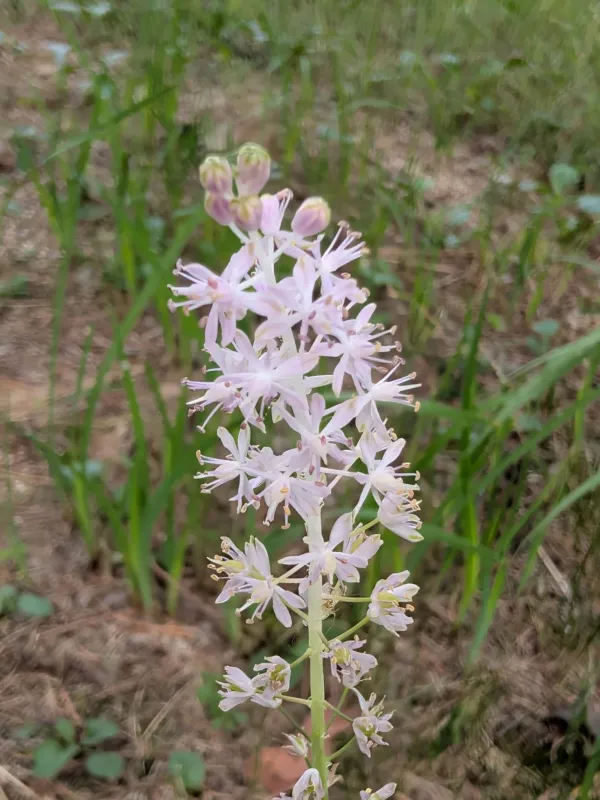
Description
Growing requirements
Barnardia japonica is a perennial bulbous plant belonging to the Asparagaceae family. Originating from East Asia, including Japan, Korea, and China, it is highly valued for its aesthetic qualities and unique growth cycle.
This species thrives in well-lit areas with protection from intense midday heat. It is best adapted to regions with a clear distinction between the growing season and the dormant winter period, allowing the bulb to recharge.
Soil requirements focus primarily on drainage. A light, sandy, or loamy soil with a neutral to slightly acidic pH is ideal for promoting healthy root development and preventing the accumulation of excess water.
Agronomic management involves a steady supply of moisture during the active leaf-forming phase. However, irrigation must be strictly controlled, as waterlogged soil is the primary cause of failure in cultivating this bulbous crop.
Nutrient management is essential for long-term health, requiring balanced fertilization during the spring. As the plant enters dormancy, water should be withdrawn to simulate natural conditions, ensuring the bulb matures correctly before winter.
Main diseases and pests
The most significant threats to Barnardia japonica are soil-borne fungal pathogens. Overwatering typically results in bulb rot, a condition that can spread rapidly through a garden bed if not addressed promptly.
Pests such as onion flies can cause severe damage by targeting the roots and bulbs during their larval stages. Effective pest control strategies often involve soil treatment and the use of healthy, disease-free bulbs for propagation.
Slugs and snails frequently pose a risk during the early growing stages, grazing on the succulent foliage. Protecting the plants with mechanical barriers or environmentally friendly bait is often necessary in wet climates.
Disease prevention is built upon strict phytosanitary practices. This includes curing the bulbs before storage and ensuring that planting sites are rotated to prevent the buildup of soil-borne bacteria and fungi over successive years.
Monitoring the foliage for discoloration or sudden wilting is a key management task. Removing infected plants immediately is crucial to maintaining the health of the surrounding population and ensuring a successful season.