
Jubaeopsis
Jubaeopsis
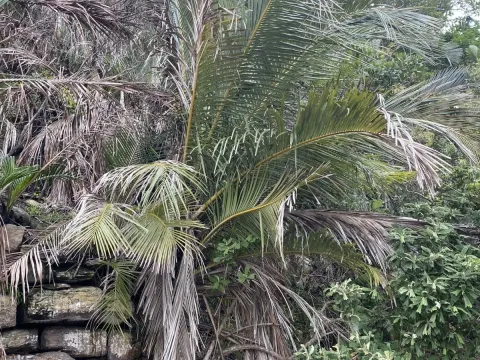
Jubaeopsis (Jubaeopsis caffra) is a monotypic genus of palms within the Arecaceae family. This rare species is an endemic plant native to a restricted coastal area in the Eastern Cape Province of South Africa, making it a botanical treasure for enthusiasts.
What the section contains

Jubaeopsis
Known commonly as the Pondoland coconut palm, it develops multiple trunks forming a dense, elegant clump. Its pinnate, arching leaves create a lush canopy, and the plant reaches a moderate height, typically not exceeding four meters in its natural habitat.
The plant thrives in subtropical climates that mimic its native coastal environment. It requires full sunlight to partial shade and benefits from good air circulation. While it can withstand mild temperatures, it is not frost-tolerant and requires protection in cooler regions.
Soil composition should be rich in organic matter and possess excellent drainage properties. A sandy-loam mix is often recommended to prevent moisture retention near the roots. Consistent, moderate irrigation is necessary, ensuring the soil remains moist but never waterlogged.
In terms of utilization, Jubaeopsis is primarily cultivated for ornamental purposes in botanical gardens and private collections. Its slow growth rate and unique structural appearance make it an ideal choice for high-end landscape design in suitable climate zones.
Common pests that affect this palm include scale insects and mealybugs, which tend to congregate on the underside of leaflets. Regular monitoring and the application of horticultural oils are effective strategies for managing these populations before they cause damage.
Root rot, often caused by poor drainage or overwatering, remains the most significant threat to the plant's health. To maintain a strong specimen, gardeners should strictly adhere to drainage best practices and avoid stagnant water conditions at all times.