
Pondoland palm
Jubaeopsis afra
Description
Growing requirements
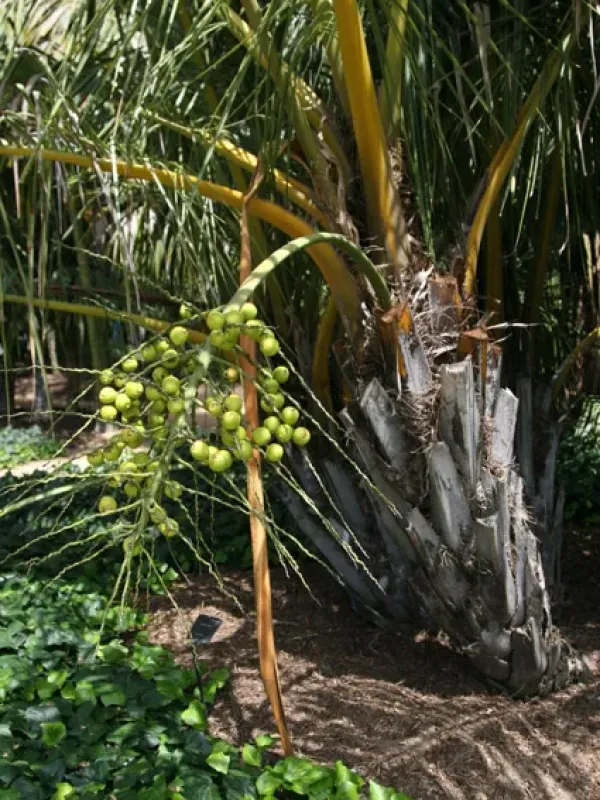
The Pondoland palm (Jubaeopsis afra) belongs to the Arecaceae family. Native to the Eastern Cape province of South Africa, this rare species is distinguished by its clumping habit, often producing multiple stems from the base. It is a slow-growing palm that thrives in its specific natural habitat along riverbanks.
Cultivation requirements necessitate a well-draining, nutrient-rich soil medium. A mix containing coarse sand and high-quality compost is ideal to ensure the roots do not remain waterlogged. Proper drainage is the most critical factor for maintaining the health of the plant during its long vegetative cycle.
In terms of climate, this species prefers stable, warm temperatures and high sunlight exposure. It is not frost-tolerant, so in temperate zones, it must be grown in greenhouses where the temperature can be maintained above freezing throughout the winter months, with optimal growth occurring at 20°C to 28°C.
The agricultural practice for this palm involves balanced fertilization during the active growing season. Applying specialized palm fertilizers that contain essential micronutrients such as boron and manganese helps prevent common deficiency symptoms, including chlorosis and malformed leaf development.
Economic use of the Pondoland palm is primarily focused on the horticultural industry and botanical collection preservation. Due to its scarcity and unique aesthetic appeal, it is a prized specimen for collectors and specialized landscape architects working in tropical and subtropical regions.
Main diseases and pests
The main threats to the plant include spider mites, which thrive in low-humidity environments, and mealybugs. Overwatering is a significant physiological threat, often leading to root rot. Regular inspection and the application of integrated pest management are necessary to ensure the longevity of the palm.