
Hemithrinax rivularis
Hemithrinax rivularis
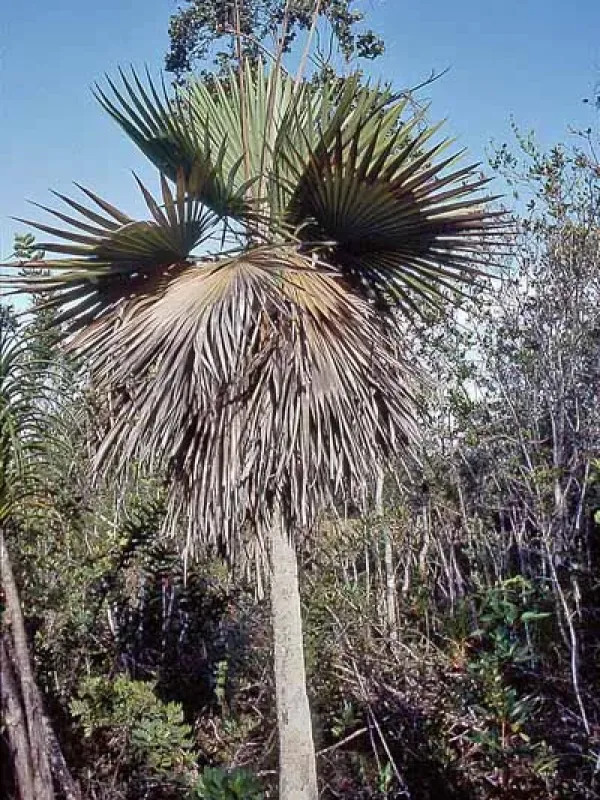
Description
Growing requirements
Hemithrinax rivularis is a unique species belonging to the Arecaceae family. Endemic to Cuba, this palm is naturally adapted to limestone substrates and riparian habitats, reflecting its specific ecological requirements.
For successful cultivation, a warm and humid environment is essential. The plant thrives in tropical conditions and requires stable temperatures throughout the year to prevent physiological stress.
Soil composition should ideally be well-drained and alkaline. Using a mix with crushed limestone or high-calcium additives helps mimic the plant's native rocky habitat in Cuba.
Light levels must be carefully managed. Hemithrinax rivularis performs best in bright, filtered light; intense direct sunlight can scorch its delicate, fan-shaped foliage.
Consistent watering is required, but the medium must never become waterlogged. High-quality drainage is a non-negotiable aspect of the agricultural management of this palm.
Main diseases and pests
Root rot is the most significant threat to the survival of the plant, often resulting from poorly aerated potting mixtures or excessive irrigation during lower temperature periods.
Spider mites represent a major pest issue in indoor environments. Their presence is usually indicated by yellowing of the leaves and fine webbing on the underside of the foliage.
Scale insects can attach themselves to the stalks and leaf surfaces, extracting plant sap and potentially leading to the formation of sooty mold on the foliage.
High humidity is beneficial for the plant but can promote fungal pathogens if air circulation is insufficient. Good ventilation is vital to maintain the plant's health.
Integrated pest management, including regular inspection and the use of targeted systemic insecticides, is the most effective way to control infestations before they cause severe damage.