
Chuniophoenix nana
Chuniophoenix nana
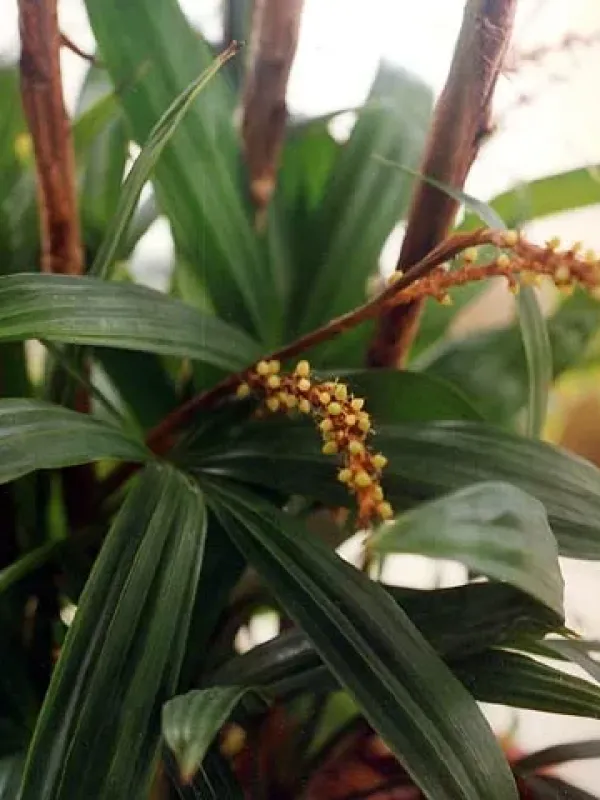
Description
Growing requirements
Chuniophoenix nana is an elegant species of dwarf palm belonging to the Arecaceae family. Originating from the tropical rainforests of Southern China and Vietnam, it thrives in environments that mimic its natural understory habitat.
This plant requires bright, indirect light for optimal growth. Exposure to harsh, direct sunlight will quickly scorch the delicate foliage, while low light conditions will significantly stunt the palm's development.
The ideal soil substrate should be well-draining, slightly acidic, and rich in organic matter. A mixture of peat, perlite, and bark is often recommended to maintain consistent moisture without causing root saturation.
Climate requirements involve high humidity levels and stable temperatures ranging from 18 to 26 degrees Celsius. It is highly sensitive to frost and should never be exposed to cold drafts or freezing temperatures.
In terms of agricultural and horticultural use, this species is highly prized by collectors for its compact habit and ornamental value. It serves as an excellent feature plant in greenhouses and specialized indoor collections.
Main diseases and pests
Mealybugs and spider mites are the most common pests affecting this palm. They typically thrive in environments with low air humidity and poor ventilation.
Scale insects can also pose a risk, attaching themselves to the stems and leaf bases. These pests extract sap, leading to yellowing of leaves and reduced plant vigor over time.
Fungal diseases, such as leaf spot or root rot, are frequently caused by overwatering or soil compaction. These conditions prevent the roots from accessing necessary oxygen.
Proper pest management includes regular inspection of the fronds and maintaining a clean environment. Early detection is key to preventing widespread infestations in a collection.
If an infection is identified, it is essential to isolate the affected palm and apply appropriate systemic insecticides or organic horticultural oils to manage the population effectively.