
Chrysalidocarpus
Chrysalidocarpus
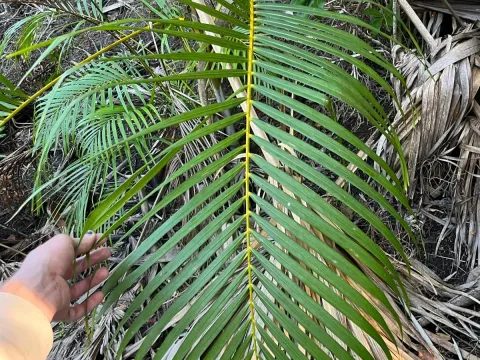
Chrysalidocarpus, commonly known as the Areca palm or Golden cane palm, is a member of the Arecaceae family. This species originates from the tropical forests of Madagascar and is widely cultivated as an ornamental plant.
What the section contains


Chrysalidocarpus
The plant thrives in bright, indirect light conditions. While it can adapt to lower light levels, excessive shade often results in stunted growth and thinner, less vibrant foliage compared to specimens in optimal lighting.
Soil requirements include a well-draining, slightly acidic peat-based mixture. It is essential to ensure that the pot has adequate drainage holes to prevent the roots from becoming waterlogged, which is a major cause of mortality.
Environmental conditions must mimic tropical regions, with preferred temperatures between 18°C and 27°C. Humidity is paramount for this palm; levels should be kept above 50% to prevent tip browning and desiccation.
Regarding cultivation management, routine irrigation should be applied when the top layer of soil begins to dry out. Fertilization during the growing season with a balanced, micronutrient-rich formula supports lush canopy development.
Spider mites are the most prevalent pest, particularly in environments with low air humidity. They colonize the undersides of leaflets, creating fine webs and causing the foliage to turn yellow and eventually dry out.
Scale insects and mealybugs frequently target the stems and leaf bases of Chrysalidocarpus. Manual removal combined with horticultural oil applications is usually effective for mild infestations.
Fungal leaf spot diseases can occur if water remains on the fronds for extended periods in stagnant air conditions. Improving airflow and reducing overhead irrigation help mitigate this risk.
Root rot, typically caused by Phytophthora species, is often linked to overwatering or heavy, compacted soil textures that do not allow for adequate gas exchange in the root zone.
Implementing a strict integrated pest management (IPM) schedule, which includes regular leaf inspection and proper cultural practices, is the most effective strategy to ensure plant longevity.