
Chamaedorea sartorii
Chamaedorea sartorii
Description
Growing requirements
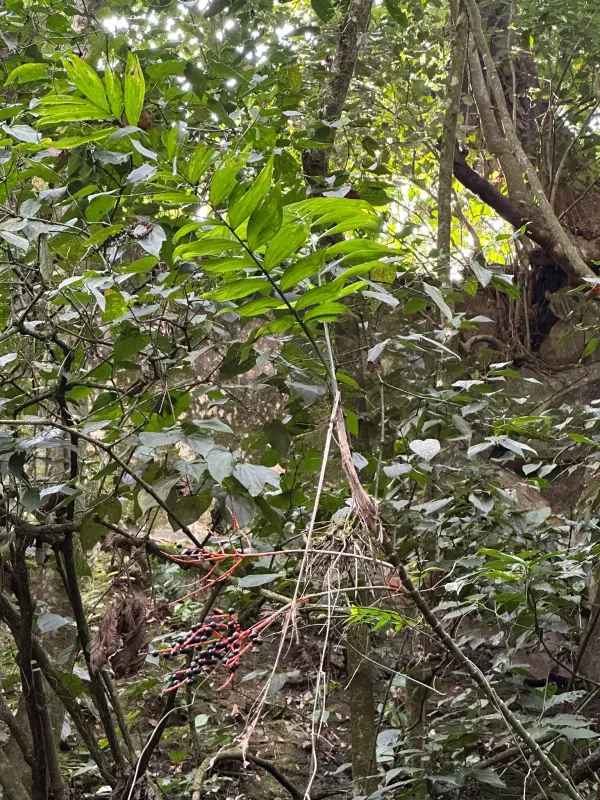
Chamaedorea sartorii is a distinctive, single-stemmed palm belonging to the Arecaceae family, native to the tropical rainforests of Mexico. It is an understory plant, naturally adapted to environments shaded by larger canopy trees, which dictates its preference for indirect light.
Optimal growing conditions require a stable temperature range between 18°C and 24°C, avoiding drafts and sudden temperature fluctuations. As a tropical species, it thrives best in environments where relative humidity is maintained at higher levels to prevent the desiccation of leaf tips.
Soil requirements involve a well-draining, slightly acidic medium rich in organic matter. A mixture of loam, leaf mold, and coarse sand or perlite is considered ideal to maintain root aeration while retaining sufficient moisture for the plant's metabolic processes.
Agronomic management includes regular irrigation with filtered or room-temperature water once the top layer of the substrate becomes slightly dry. During the active growing season, application of balanced liquid fertilizers formulated for palms is necessary to sustain growth and prevent chlorosis.
The primary economic use of Chamaedorea sartorii is in the ornamental plant industry, specifically for indoor and conservatory landscaping. Its aesthetic appeal and high tolerance for lower light levels make it a preferred choice for architects and interior designers in temperate regions.
Main diseases and pests
Common pests affecting this species include spider mites, mealybugs, and scale insects, which often thrive in indoor conditions with dry air. Preventive maintenance involves regular leaf cleaning and keeping the plant in a well-ventilated area to reduce the risk of infestation.
Pathogenic threats are primarily associated with improper soil management, leading to root rot caused by stagnant water or fungal pathogens. Avoiding overwatering and ensuring the potting container has an adequate drainage system are critical strategies to mitigate such plant health risks.