
Chamaedorea potluchensis
Chamaedorea potluchensis
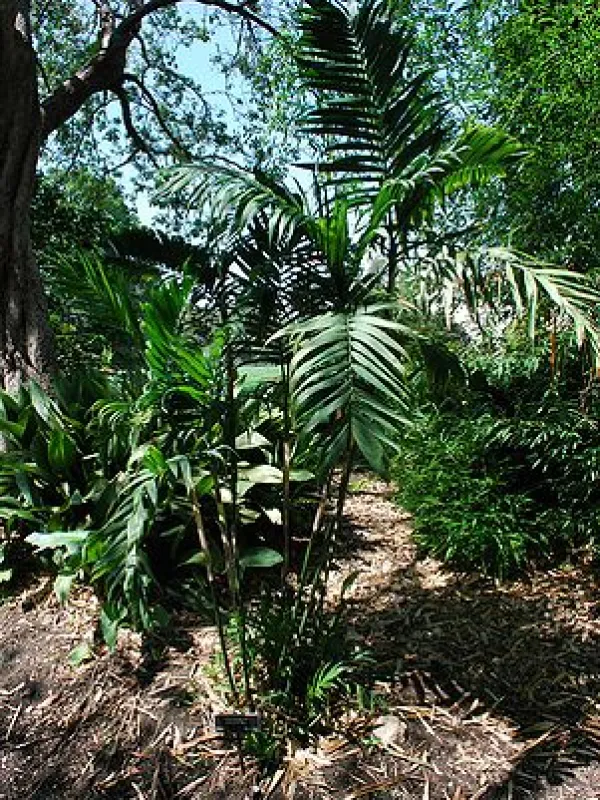
Description
Growing requirements
Chamaedorea potluchensis is an elegant palm species belonging to the Arecaceae family. This plant is classified as a dwarf palm, highly valued for indoor cultivation and decorative landscape design in protected environments.
The species originates from the tropical rainforests of Central and South America, where it thrives in the understory layer under diffused light conditions. In horticulture, it is appreciated for its compact growth habit and resilience.
For optimal development, the plant requires a stable temperature environment ranging from +18°C to +24°C. It is crucial to avoid sharp temperature fluctuations and cold drafts, which can cause significant stress to the foliage.
The growing medium must be loose, nutrient-rich, and possess excellent drainage properties to prevent root waterlogging. An ideal substrate consists of a mix of loam, peat, and coarse sand in a 2:2:1 ratio, with a drainage layer at the bottom of the pot.
Ambient humidity is vital as this palm is sensitive to dry conditions. It is recommended to mist the leaves regularly with soft water or utilize room humidifiers, especially during the heating season when indoor air tends to be dry.
Main diseases and pests
The primary pests affecting Chamaedorea potluchensis include spider mites and scale insects, which proliferate rapidly in low-humidity environments. Infestation is characterized by the yellowing of leaf tips and the presence of fine webbing.
Mealybugs can also cause significant damage by hiding in leaf axils. To manage these populations, systemic insecticides are recommended, alongside manual cleaning of the leaves with a mild soapy solution to remove early infestations.
Root rot often occurs due to overwatering and inadequate drainage, leading to fungal infections. Visible signs include darkening and softening of the base of the stems, which can quickly lead to plant decline if not addressed.
Leaf spot diseases are frequently triggered by poor agricultural practices, such as water remaining on leaves in high-humidity, poorly ventilated areas. Regular ventilation helps mitigate the spread of these fungal pathogens significantly.
Proactive care, including consistent watering schedules, maintaining leaf hygiene, and frequent monitoring for pests, is the best strategy to ensure the long-term health and vitality of your palm.