
Chelyocarpus
Chelyocarpus
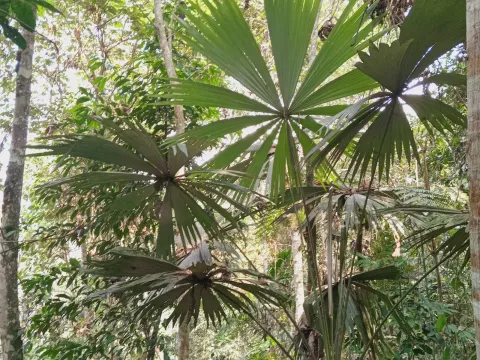
Chelyocarpus is a genus of fan palms belonging to the Arecaceae family. These plants are native to the tropical rainforests of South America, specifically thriving in the humid environments of the Amazon basin.
What the section contains

Chelyocarpus
As a strictly tropical plant, Chelyocarpus requires consistent warm temperatures to survive. It is extremely sensitive to cold and does not tolerate even mild frost, making greenhouse cultivation essential in non-tropical regions.
High relative humidity is a fundamental requirement for the health of Chelyocarpus. The foliage benefits from frequent misting or ambient humidity levels above 70%, which mimic the natural microclimate of its native habitat.
The substrate must be well-draining yet capable of retaining moisture. A mixture rich in organic matter, such as coco coir, bark, and perlite, provides the necessary environment for the roots to develop without risks of rot.
Regarding light, this palm thrives in shaded or semi-shaded areas. Exposure to direct intense sunlight can result in significant leaf damage, so filtered light or location under a canopy is highly recommended.
The primary use of Chelyocarpus is ornamental, prized for its unique, deeply divided fan-shaped leaves that offer a distinct aesthetic appeal in botanical gardens and interior tropical landscapes.
In its native range, the leaves are traditionally harvested by local communities. Their broad and sturdy structure makes them an excellent organic material for thatching roofs of traditional dwellings.
Commercial harvesting of this palm is not practiced; instead, its cultivation is focused on conservation and the nursery trade. The palms are slow-growing, requiring patience from the nursery staff.
Maintenance includes the systematic removal of old or damaged foliage. Pruning must be done with sterilized tools to ensure that no pathogens are introduced into the palm's stem during the process.
Propagation is primarily achieved through seeds. Because seeds lose viability relatively quickly, they should be sown as fresh as possible in a warm, humid environment to ensure successful germination and seedling survival.