
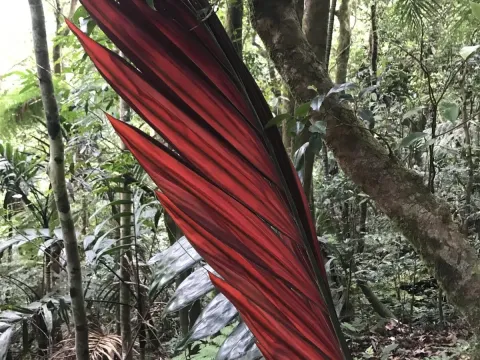
Chambeyronia
Chambeyronia
Chambeyronia is a genus of majestic palms belonging to the Arecaceae family, native to the tropical rainforests of New Caledonia. These plants are highly prized for their unique architectural form and their ability to thrive in the shaded understory of dense forests.
What the section contains


Chambeyronia
Successful cultivation requires a tropical climate with temperatures strictly maintained between 20 and 28 degrees Celsius. They are sensitive to cold and should be protected from any temperatures dropping below 5 degrees, which can severely damage their metabolism and cell structure.
The soil must be well-draining, rich in organic matter, and slightly acidic. A mixture of peat, perlite, and bark is ideal to mimic the natural forest floor environment, ensuring that oxygen reaches the root system while retaining sufficient moisture for consistent growth.
Humidity is the most critical factor for this palm. It requires high atmospheric moisture levels to prevent the edges of the fronds from turning brown. Frequent misting or the use of automated humidification systems is essential in non-tropical environments.
One of the most defining characteristics of the Chambeyronia is the dramatic red coloration of its emerging fronds, often referred to as the lipstick palm effect. This feature is highly sought after by landscape designers and collectors worldwide.
Spider mites are the most common pest threat for Chambeyronia, particularly in indoor environments where the air is often too dry. These pests can cause significant damage to foliage if not identified and treated early with appropriate miticides.
Mealybugs and scale insects may also infest the base of the petioles and the underside of the leaves. Regular inspection of the plant's heart and stalks is necessary to prevent these insects from becoming a chronic problem for the collection.
Root rot, often caused by overwatering or poor drainage, represents a lethal threat to the plant. If the potting mix remains waterlogged for extended periods, the roots will quickly succumb to anaerobic bacteria and fungal pathogens, leading to sudden decline.
Leaf spot diseases, which manifest as dark necrotic lesions on the fronds, usually indicate an issue with ventilation or fungal infection. Improving air circulation and reducing surface water on the leaves can significantly help in managing these diseases.
To ensure long-term plant health, cultivators should employ a balanced approach to nutrition, avoiding excessive nitrogen, which can lead to soft, succulent growth that is more vulnerable to both pest attacks and opportunistic diseases.