
Chrysalidocarpus lutescens
Chrysalidocarpus lutescens H. Wendl.
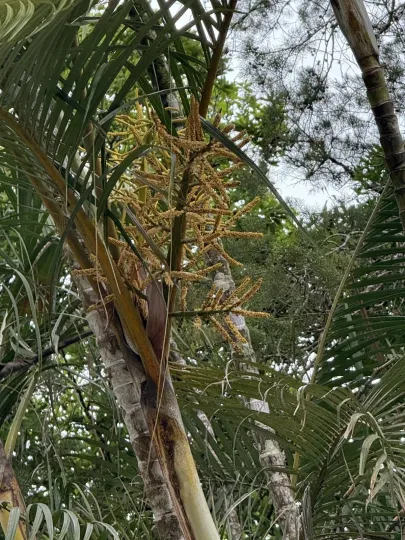
Description
Growing requirements
Chrysalidocarpus lutescens, commonly known as the Areca palm, is a member of the Arecaceae family. Native to Madagascar, it is a clustering palm that forms multiple stems, making it a highly valuable ornamental crop for both indoor and landscape use.
The culture thrives in tropical environments where temperatures remain between 20°C and 30°C consistently. It is sensitive to frost and cold drafts, which can cause irreversible damage to the fronds and root structure.
For optimal growth, the palm requires a well-draining soil mix rich in organic matter. Peat-based or coconut coir substrates with added perlite are standard to prevent waterlogging and ensure sufficient aeration for the roots.
Lighting requirements involve bright, indirect sunlight. Excessive exposure to direct harsh sun during the day can cause leaf scorch, significantly reducing the market value of the plant in a commercial setting.
Adequate irrigation is essential to keep the soil moisture constant but never saturated. In commercial greenhouse production, humidity levels are strictly maintained above 50% to prevent tip browning of the leaves.
Main diseases and pests
Spider mites are the most prevalent pests affecting this crop, particularly in environments with low humidity. They typically colonize the underside of the leaflets, causing yellow stippling and webbing.
Scale insects present a major challenge, as they attach themselves to the stems and leaves, extracting plant sap and weakening the palm's overall vigor over time.
Fungal leaf spots represent a common threat in poor ventilation conditions. These infections typically manifest as dark brown or black lesions, often surrounded by a chlorotic halo.
Root rot caused by Phytophthora or Pythium species is a fatal disease associated with over-irrigation. It destroys the root system, preventing the uptake of water and nutrients, leading to rapid wilting.
- Implementation of Integrated Pest Management (IPM).
- Sterilization of growing media before planting.
- Regular monitoring and physical removal of infested foliage.