
Dypsis decipiens
Dypsis decipiens (Becc.) Beentje & J. Dransf.
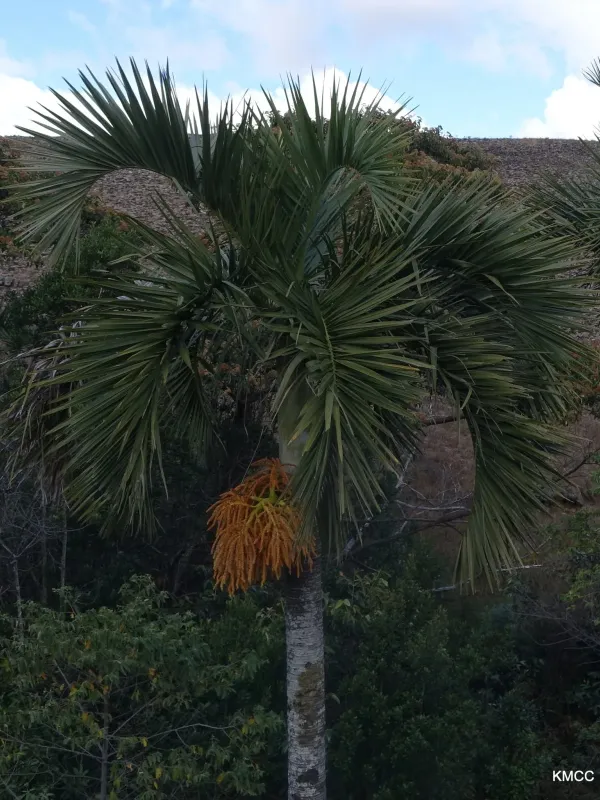
Description
Growing requirements
Dypsis decipiens is a distinct palm species belonging to the Arecaceae family. Native to the high-altitude plateaus of Madagascar, this plant is known for its slow growth rate and impressive adaptation to rocky, well-draining substrates.
The plant thrives in soil that mimics its natural habitat: a mix of coarse, loose particles that prevent water logging. It is crucial to ensure that the growing medium remains slightly moist but never saturated, as the roots are highly sensitive to hypoxia.
In terms of light, Dypsis decipiens requires bright, indirect sunlight to maintain its color and structure. While adult specimens can tolerate more exposure, young plants should be protected from harsh midday sun to prevent foliar scorching.
Temperature management is key for this mountain-adapted species. It performs best in moderate temperatures, avoiding extreme heat or freezing conditions. Consistent air circulation is vital to prevent leaf diseases and stress.
Nutrition should be provided through specialized palm fertilizers during the spring and summer. Using controlled-release fertilizers ensures a steady supply of nutrients, which supports healthy frond development and root vigor.
Main diseases and pests
The most common pests affecting Dypsis decipiens include mealybugs and scale insects. These pests often congregate in the tight crevices where leaves emerge from the stem, making them difficult to detect until an infestation is well established.
Spider mites can also become a problem, particularly in environments with low air humidity. Regular misting or the use of a humidifier helps maintain an environment where these pests are less likely to proliferate.
Fungal pathogens such as Phytophthora or Pythium are the primary causes of root rot in this species. These are usually the result of overwatering or the use of heavy, non-porous soil mixtures that retain excessive moisture.
Leaf spot diseases can occur due to bacterial or fungal infections, often exacerbated by poor air circulation. To manage these, it is recommended to prune affected fronds and improve ventilation around the plant.
Proactive care involves monitoring the health of the spear leaf. Any signs of decay or browning on the newest growth should be treated immediately with appropriate fungicides and a correction in watering habits.