
Carpoxylon macrospermum
Carpoxylon macrospermum
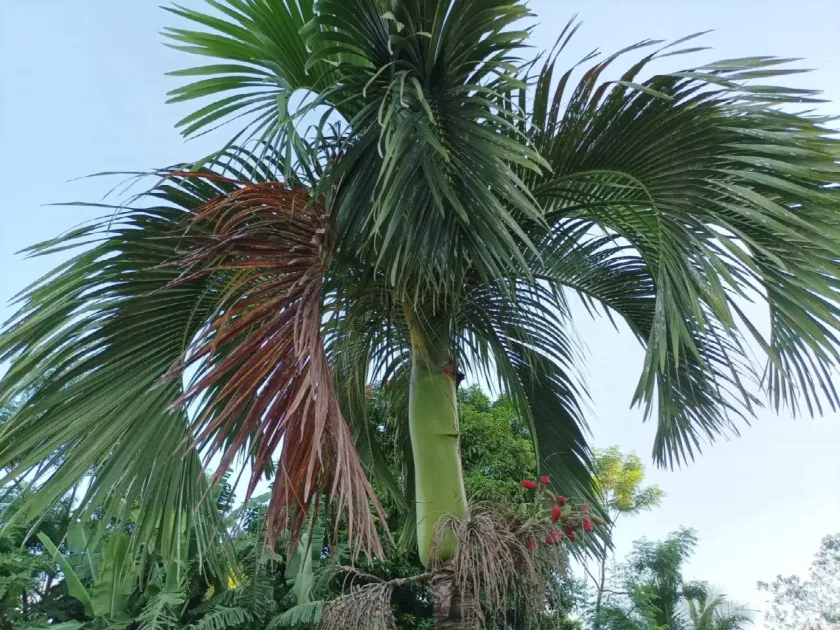
Description
Sowing dates
Propagation of Carpoxylon macrospermum is exclusively achieved through seeds, which must be sown fresh as their viability decreases rapidly after harvest.
Germination requires a consistent tropical temperature range of 28–32 degrees Celsius. Bottom heat is highly recommended to stimulate the development of the embryo.
The ideal substrate consists of a well-draining mixture, such as peat moss and perlite or coarse sand, ensuring that the media remains moist but never waterlogged.
The germination period is often long, ranging from three to six months. During this time, the containers should be kept in a protected area with stable ambient conditions.
Once the first true leaf emerges, seedlings should be carefully transitioned to individual pots, ensuring that the root system is not disturbed during the process.
Growing requirements
As a tropical species, Carpoxylon macrospermum requires a warm, humid environment with minimal temperature fluctuations, as it does not tolerate any cold or frost.
The cultivation site must provide high humidity, typically above 60 percent, making greenhouses the preferred environment for this palm in non-tropical zones.
Soil quality is paramount; the plant thrives in rich, well-aerated organic substrates that allow for effective drainage to prevent root suffocation.
Light requirements are significant, favoring bright, filtered light. Young plants should be protected from direct sunlight to avoid leaf scorching and stress.
Nutritional maintenance involves regular applications of slow-release palm fertilizer during the growing season to support the plant's robust and steady vertical growth.
Main diseases and pests
The most prevalent pests affecting this palm are spider mites and mealybugs, particularly when the surrounding air humidity is not sufficiently maintained.
Root rot is the primary pathological threat, typically induced by poor soil aeration or excessive irrigation in containers without adequate drainage holes.
Fungal leaf spot diseases can emerge in stagnant, overly humid conditions, necessitating proper ventilation and the removal of affected leaf tissue to limit the spread.
Effective pest management involves integrated control methods, starting with manual cleaning and using organic insecticidal soaps before resorting to synthetic chemicals.
Strict sanitation protocols, such as removing debris from the base of the trunk and ensuring the foliage is clean, are essential for long-term health and vigor.