
Carpentaria palm
Carpentaria acuminata
Description
Growing requirements
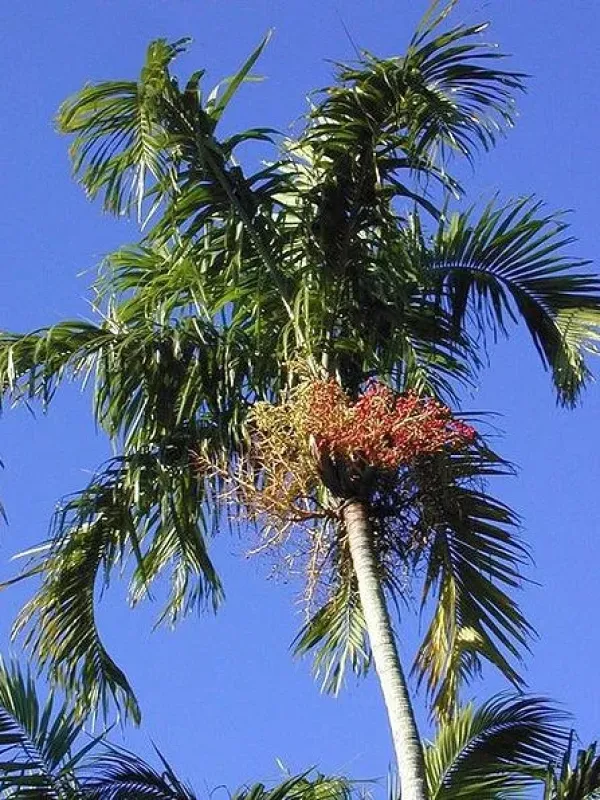
The Carpentaria palm (Carpentaria acuminata) is a tall, slender palm species within the Arecaceae family. Native to the tropical Northern Territory of Australia, it is well-adapted to high humidity and warm temperatures throughout the year.
As a tropical plant, this species requires a frost-free environment to thrive. It performs best in regions where temperatures remain consistently above 15°C, making it a popular choice for conservatories, atriums, or landscapes in tropical climates.
Soil requirements for optimal growth include a deep, well-draining, and organically rich medium. It is essential to maintain consistent soil moisture, as the palm prefers to stay hydrated without standing in water, which can easily trigger root issues.
Lighting conditions should mimic the forest floor or open tropical canopy. While young plants appreciate dappled shade, mature specimens can tolerate brighter conditions, though excessive direct sun can scorch the foliage in lower humidity environments.
Proper maintenance involves seasonal fertilization with a palm-specific fertilizer rich in micronutrients. This ensures steady growth and vibrant green foliage, preventing common nutritional deficiencies typical for fast-growing palms.
Main diseases and pests
Common pests include spider mites, mealybugs, and scale insects, which often target the palm when environmental humidity is not adequately maintained during the indoor or greenhouse growing season.
Fungal diseases are a major concern, particularly root rot caused by poorly draining soil or over-irrigation. Symptoms often include wilting and leaf chlorosis, necessitating immediate adjustment of the watering schedule.
Leaf spot diseases may appear during periods of poor air circulation. Improving ventilation around the canopy is key to preventing the spread of spores and maintaining overall plant vigor.
In landscape settings, palm bud rot can occasionally occur, often exacerbated by high humidity and wounding of the growing point. Strict sanitation practices are required to protect healthy specimens.
Preventive care involving periodic monitoring and the use of horticultural oils can help manage populations of sucking insects, effectively reducing the need for harsh chemical treatments.