
Calyptronoma plumeriana
Calyptronoma plumeriana
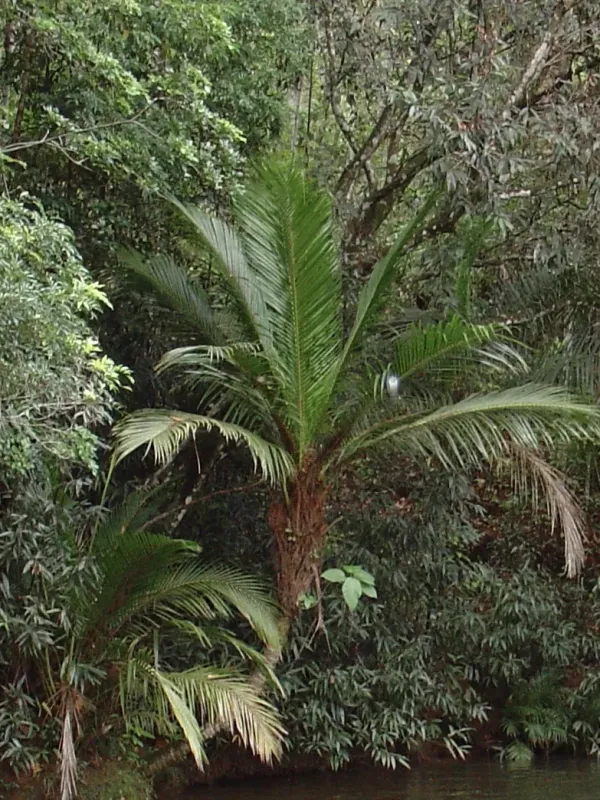
Description
Growing requirements
Calyptronoma plumeriana is an elegant palm species belonging to the Arecaceae family, native to the Caribbean islands, particularly Cuba and Hispaniola. It is recognized for its tall, slender stem and lush, feathery fronds that create a dense canopy, typically thriving in moist forest habitats.
This crop requires a tropical climate with consistent temperatures and high ambient humidity. It is strictly non-hardy and will suffer significant damage or mortality if exposed to freezing conditions, making it unsuitable for cultivation in temperate climates without climate-controlled environments.
Soil requirements involve deep, fertile, and well-draining substrates. It is particularly responsive to organic amendments and thrives in sites where the soil retains moisture without becoming waterlogged, which mimics the natural alluvial soils where it is often discovered.
Light management is crucial, as the species prefers filtered light or light shade during its juvenile stages. Once established, it can tolerate more exposure, but protection from intense, direct tropical sun during the hottest parts of the day is recommended to prevent leaf scorch.
Agrotechnical maintenance focuses on maintaining a balanced nutrient regime. Regular irrigation is vital, as the palm does not have mechanisms to tolerate prolonged drought, which often leads to tip necrosis and overall vigor decline.
Main diseases and pests
Like many palms, Calyptronoma plumeriana is susceptible to various pests, including mealybugs and spider mites, especially when grown in indoor or greenhouse environments. High humidity levels, while beneficial for growth, must be managed to avoid fungal infections.
Leaf spot diseases can occur if air circulation is inadequate or if water remains on the foliage for extended periods. Preventive fungicide applications may be necessary in high-density nursery settings to protect the health of the young specimens.
Nutrient deficiencies, specifically magnesium and potassium, can manifest as yellowing of the older leaves (chlorosis). Implementing a consistent fertilization schedule with micro-nutrients helps maintain the lush green color characteristic of this species.
Root rot, often caused by poor drainage or overwatering, is a primary threat that can lead to rapid decline. Ensuring the planting medium remains porous and the drainage system is effective is the best way to mitigate this risk.
Vigilant monitoring for signs of stress is essential. Early detection of any pest or disease outbreaks allows for targeted intervention, reducing the need for broad-spectrum chemical treatments and preserving the environment.