
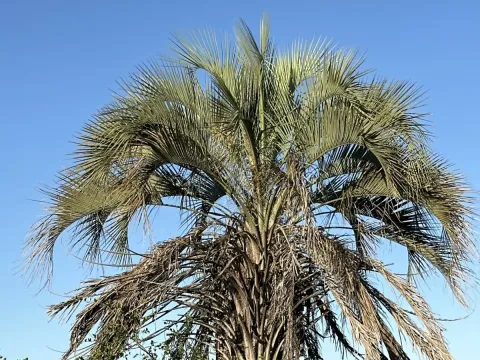
Butia
Butia
Propagation of Butia is typically done through seeds, which require a long stratification period. The germination process is slow and may take several months or up to a year.
What the section contains


Butia
To improve germination rates, seeds should be soaked in warm water for several days. A well-draining substrate composed of sand and peat is essential for successful seedling development.
Maintaining a consistent temperature between 25 and 30 degrees Celsius is crucial. Bottom heat can significantly accelerate the emergence of shoots.
Once the seedlings have developed a few true leaves, they should be transplanted into individual pots. Care must be taken not to disturb the fragile root system during this phase.
Young palms need constant moisture, yet it is vital to prevent waterlogging, which often leads to root rot in young specimens.
Butia, belonging to the Arecaceae family, is native to South America, particularly Brazil, Uruguay, and Argentina. It is known for its hardiness compared to other palm species.
This culture thrives in full sun, which is necessary to maintain its compact and healthy growth. It can tolerate light frosts, making it a favorite for temperate gardens.
The soil must be fertile, deep, and possess excellent drainage. While it appreciates moisture, Butia does not tolerate standing water around its roots.
In regions with harsh winters, this palm is often grown in containers and moved indoors. It requires a bright and cool environment during the dormant winter season.
Regular fertilization with specialized palm fertilizers during the growing season is recommended to promote lush, vibrant foliage and overall plant vigor.
The fruit of the Butia, commonly known as the jelly palm fruit, is highly prized for its unique sweet and tart flavor profile, often compared to pineapple or apricot.
A mature and well-tended palm tree can produce substantial yields. The fruit is typically ready for harvest when it turns a vibrant yellow or orange color.
Fruits are highly perishable and should be processed shortly after harvesting. They are widely used for making high-quality jellies, jams, and even liqueurs.
High pectin content in the fruit makes it ideal for preserves. The culinary potential of the jelly palm fruit is increasingly recognized by home gardeners and chefs.
Beyond its culinary utility, Butia is a prestigious ornamental plant, valued for its arching, feathery fronds that add a sophisticated tropical aesthetic to landscapes.
Spider mites are a common pest, particularly when the palm is kept in indoor environments with low humidity levels. Regular leaf misting can help prevent infestations.
Mealybugs can often be found in the crevices of the fronds. These pests should be addressed immediately with insecticidal soaps or systemic treatments to protect the plant.
Root rot caused by overwatering is the primary threat to the health of the palm. Ensuring a high-quality drainage system is the best preventative measure.
Fungal leaf spots may occur if air circulation is poor or if the foliage remains wet for extended periods. Pruning damaged leaves helps maintain plant hygiene.
Consistent monitoring and providing appropriate growing conditions, such as adequate airflow and light, are key to preventing most common diseases in Butia palms.