
Butia paraguayensis
Butia paraguayensis
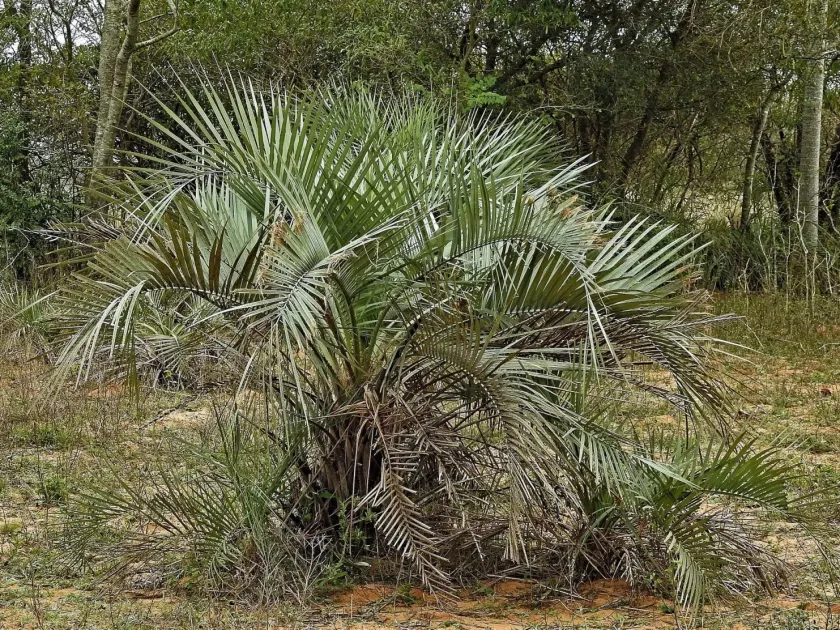
Description
Growing requirements
Butia paraguayensis, commonly known as the Paraguayan jelly palm, is a perennial plant belonging to the Arecaceae family. Native to the grasslands and rocky terrains of South America, specifically Paraguay, Brazil, and Argentina, it is well-adapted to arid and semi-arid conditions.
This species thrives in full sun exposure and is recognized for its relative cold hardiness compared to other tropical palms. It prefers open areas with excellent air circulation, which contributes to its robust growth and structural integrity in diverse landscapes.
Regarding soil requirements, the plant demands well-drained conditions to prevent root rot. It is tolerant of rocky or sandy soil types, provided that they are fertile enough to supply necessary nutrients for its slow but steady development over the years.
Agricultural management includes strategic irrigation, especially for juvenile plants during their establishment phase. Once mature, the palm exhibits significant drought resistance, making it a sustainable choice for xeriscaping or low-maintenance garden designs.
The economic value of this culture lies primarily in its ornamental appeal in horticulture and the culinary utility of its orange-yellow fruits. These fruits are harvested to produce jams, jellies, and refreshing beverages, making the tree a multifunctional asset.
Main diseases and pests
Common pests affecting Butia paraguayensis include scale insects and mealybugs, which tend to congregate on the underside of fronds and near the base of the stalks. Effective management involves regular scouting and the use of horticultural oils or insecticides.
Fungal diseases are often a result of over-irrigation or inadequate drainage, leading to root system decay. To mitigate this risk, it is essential to monitor soil moisture levels and ensure that the growing medium does not remain saturated for long periods.
Leaf spot pathogens can sometimes appear if humidity is too high or if the canopy does not have sufficient air circulation. Improving the surrounding microclimate and removing infected fronds promptly helps to contain the spread of these pathogens.
Proper nutritional management, using balanced fertilizers, strengthens the plant's natural defenses against potential threats. A healthy, well-fed palm is much less susceptible to stress-related infestations or secondary infections.
For large-scale planting, maintaining a clean environment around the palm base is crucial for pest control. Periodic maintenance, including the removal of dead or drying leaves, is a fundamental practice to ensure the long-term health of the palm.