
Pindo palm
Butia odorata
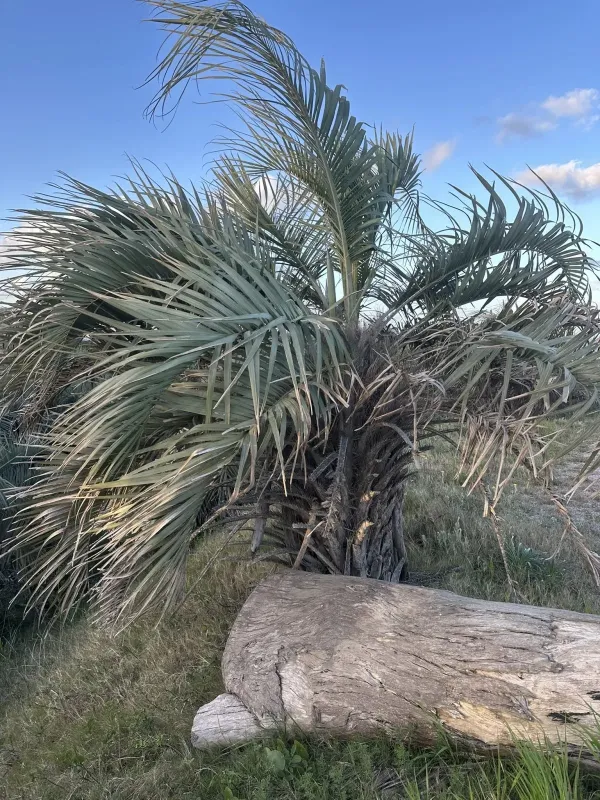
Description
Sowing dates
Propagation of the Pindo palm is primarily achieved through seeds. Due to the very hard endocarp, seeds require scarification or long soaking periods to improve germination rates.
The best time for sowing is during the spring season when warm temperatures become consistent. In controlled environments like greenhouses, germination should start in late winter with bottom heat applied to the soil.
Seeds are sown at a depth of 2-3 cm in a well-draining, nutrient-rich substrate. Maintaining high humidity is critical as the germination process can be slow and may take several months.
Seedlings should be pricked out after the appearance of the first two true leaves. These palms are known for their slow growth rate, requiring patience from the grower during the early stages.
Transplanting to a permanent location is recommended when the plant reaches 3-4 years of age. At this stage, the root system is robust enough to adapt to field conditions.
Growing requirements
Butia odorata belongs to the Arecaceae family and is highly regarded for being one of the most cold-hardy feather palms, capable of enduring temperatures as low as -10...-12°C.
The plant thrives in full sun exposure. While young specimens may tolerate partial shade, mature palms require bright, direct sunlight to develop a dense and healthy crown.
Soil requirements include high fertility and excellent drainage. As the plant is sensitive to waterlogged conditions, a well-structured soil profile with proper drainage is essential for survival.
The species is remarkably drought-tolerant once established, thanks to its deep root system. However, providing supplemental water during the peak growing season significantly boosts foliage growth.
In regions with harsh winters, it is commonly kept as a container plant that can be moved indoors or provided with advanced winter protection if planted in the landscape.
Yield
The Pindo palm is celebrated for its edible, succulent fruits often called jelly palm fruits. These yellow-orange drupes offer a sweet-tart flavor, reminiscent of pineapple and apricot.
A mature palm can produce a substantial yield, often totaling several dozen kilograms of fruit per season. They are highly prized in home gardens for their culinary versatility.
The high pectin content makes these fruits ideal for producing jellies, jams, marmalades, and sweet tropical wines. They are rarely grown commercially but remain a favorite for local harvest.
Harvesting should occur as fruits ripen and turn bright in color, becoming slightly soft to the touch. It is best to collect them frequently to ensure the highest quality for processing.
Proper storage is necessary as the fruit is perishable. Traditional recipes often focus on boiling the pulp to extract the juice for preserves.
Main diseases and pests
Root rot is the most common issue, typically caused by overwatering or poor drainage. Maintaining a balanced soil moisture level is the most effective way to prevent this disease.
Pests such as scale insects and mealybugs frequently target the fronds. They feed on plant sap, leading to weakened growth and unsightly spots on the leaves.
Managing infestations involves the use of systemic insecticides and manual cleaning with mild soap solutions. Regular monitoring is essential to catch these pests early.
Spider mites can become a problem in environments with low humidity, particularly indoors. Keeping the plant foliage hydrated through regular misting is an excellent preventative practice.
Nutrient deficiencies, specifically magnesium and potassium, often lead to leaf yellowing or chlorosis. A balanced fertilizer specifically formulated for palms should be applied during the active growth phase.