
Butia capitata
Butia capitata
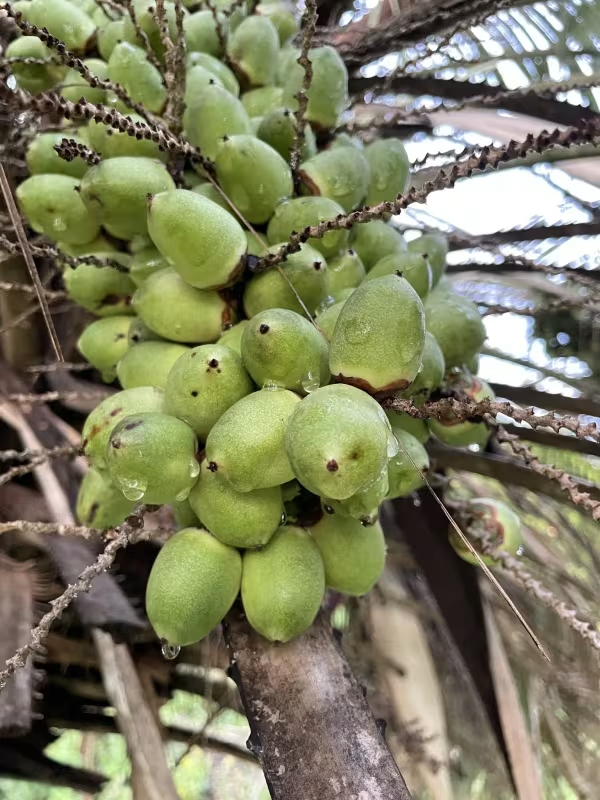
Description
Sowing dates
Propagation of Butia capitata is primarily achieved through seeds, as the palm does not produce offshoots. The seeds have a hard outer shell, so scarification or soaking in warm water for several days is necessary to improve germination rates.
Successful germination requires a stable heat source, maintaining a substrate temperature between 25 and 30 degrees Celsius. The germination process can be quite long, often taking several months or even a year to show results.
The best time to sow seeds is in early spring to take advantage of increasing daylight hours, which helps seedlings grow more vigorously during their delicate early development stages.
Use a light, well-draining soil mix containing peat, perlite, or sand. Keeping the substrate consistently moist but not waterlogged is crucial to prevent the seeds from rotting before they sprout.
Once the first true leaves emerge, transplant the seedlings into individual containers. Because the growth rate of this palm is naturally slow, cultivators must exercise significant patience during the first years.
Growing requirements
Butia capitata is recognized as one of the most cold-hardy palms, capable of surviving temperatures as low as -10 to -12 degrees Celsius once established. It thrives in full sun, which is essential for maintaining a compact and healthy crown.
The plant requires deep, fertile, and well-draining soil. While it is adaptable to different soil types, the absence of standing water is critical, as stagnant moisture is the primary cause of root failure.
During the growing season, regular fertilization with a balanced mix containing essential micronutrients like potassium, magnesium, and manganese is recommended to prevent leaf chlorosis.
Once a root system is fully established, the palm shows remarkable drought tolerance, making it an excellent candidate for low-maintenance landscaping in suitable climate zones.
When grown in containers, ensure the plant has adequate ventilation and is repotted periodically to replenish nutrients and provide sufficient space for the roots to develop properly.
Yield
Commonly referred to as the "Jelly Palm," this species is valued for its edible fruits. These fruits are orange-yellow drupes that offer a unique sweet-and-sour flavor with hints of pineapple.
The fruit pulp is rich in pectin, making it an excellent ingredient for jellies, jams, preserves, and juices. Its culinary versatility has made it a favorite in regions where the palm is grown for production.
A single mature tree can yield a significant quantity of fruit, providing a harvest sufficient for home processing or small-scale commercial use in sub-tropical gardening areas.
Harvesting should be timed to when the fruit reaches its peak ripeness, as this is when the flavor profile is most developed and the texture is suitable for immediate processing.
While the fruits are highly nutritious, they have a short shelf life due to their soft flesh, which is why they are rarely transported long distances as fresh produce.
Main diseases and pests
The main threats to Butia capitata include root rot caused by fungal pathogens, usually stemming from overwatering or poorly draining soil. This can weaken the plant and lead to severe growth decline.
Common pests include mealybugs and scale insects, which feed on the sap of the leaves and petioles. These infestations can cause yellowing and premature leaf senescence if left untreated.
In indoor environments or greenhouses, spider mites can become an issue, especially during hot and dry conditions. Regular misting and keeping an eye on leaf undersides are effective preventive measures.
Integrated pest management, including the use of systemic insecticides and proper sanitation, helps keep these palms healthy and free from major insect damage throughout the year.
Good cultural practices, such as providing proper spacing for air circulation and ensuring the palm is not subjected to extreme humidity fluctuations, are the best defense against diseases.
Harvesting
Harvesting is performed manually by carefully cutting the entire fruit stalk or cluster from the tree. This method protects the delicate fruit from damage that would occur if allowed to fall to the ground.
Because fruit does not ripen uniformly within a single cluster, harvesting may be staggered over several weeks to ensure all berries are collected at their optimal stage of ripeness.
Post-harvest handling involves sorting the fruits and discarding any that are overripe or damaged. Quick processing is necessary to prevent fermentation and spoilage of the harvested fruit.
Storing the harvested crop in a cool place can help slow down ripening and preserve the quality of the fruit before it is cooked into jams or jellies.
Harvesters should wear protective gloves and long sleeves, as the leaves of the palm can be sharp and cause skin irritation during the labor-intensive harvest process.