
Butia eriospatha
Butia eriospatha
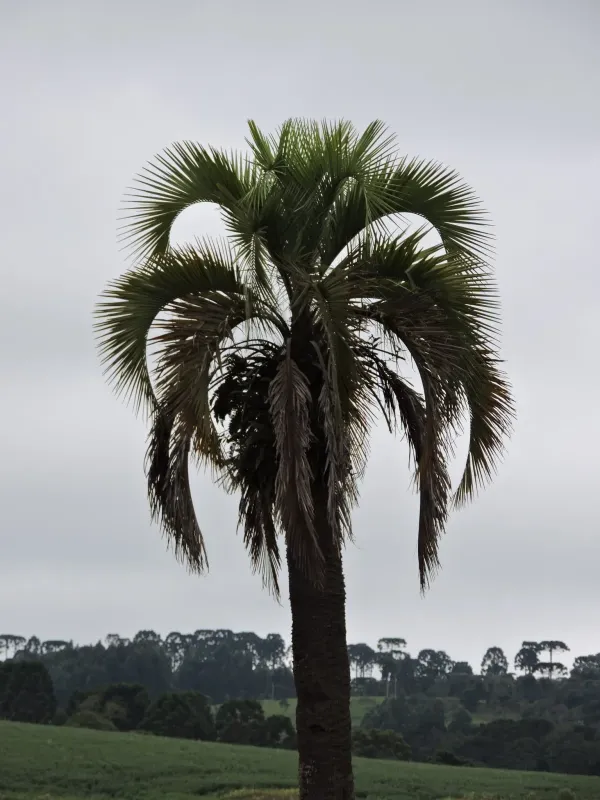
Description
Sowing dates
Propagation of Butia eriospatha is primarily achieved through seeds, which require specific preparation due to their thick, protective endocarp. Scarification or soaking in warm water for several days is essential to improve germination rates.
The seeds should be sown in a well-draining, sterile, and porous medium. A mixture of sand and peat is generally recommended to provide the necessary aeration while maintaining consistent moisture levels for the developing embryo.
Optimal germination occurs at temperatures between 25°C and 30°C. Since the germination process can be slow and asynchronous, keeping the pots in a controlled, warm environment is critical for success.
Once seedlings emerge, they require ample sunlight and a stable environment. Transplanting should be done with extreme care, as the root system is sensitive to mechanical disturbances and may be prone to shock.
Commercial nurseries often utilize bottom heat to speed up the germination process, ensuring more uniform seedling development and reducing the risk of seed decay before sprouting occurs.
Growing requirements
Butia eriospatha, a member of the Arecaceae family, is renowned for its cold hardiness. It originates from the highland regions of Brazil, which explains its ability to withstand cooler temperatures compared to tropical palm species.
The plant thrives in full sun exposure. While it can adapt to partial shade, consistent exposure to sunlight is required to maintain the characteristic structural integrity and vibrant color of its pinnate fronds.
Soil requirements are relatively moderate; however, the palm performs best in deep, well-draining soils with a slightly acidic to neutral pH. Excessive clay content or poor drainage often leads to root rot.
During the growing season, consistent moisture is beneficial, but the plant is quite drought-tolerant once established. It is important to avoid waterlogging the roots, especially during winter months when active growth slows down.
Nutrient supplementation should focus on balanced fertilizers rich in magnesium, potassium, and manganese. Deficiencies in these micro-elements often manifest as chlorosis or necrosis on the leaf tips.
Yield
The palm is valued for its edible fruits, which are small, round, and yellow-orange in color. The flesh is fibrous, succulent, and possesses a distinct sweet-tart flavor profile reminiscent of pineapple and apricot.
In various regions, the fruits are harvested to make jams, preserves, jellies, and fermented alcoholic beverages. The seeds are also processed for their oil, which is utilized in both food and cosmetic applications.
Fruit production typically begins when the tree reaches maturity, which often takes over a decade. Yields can be significant, making this palm a useful secondary crop in specialized agroforestry systems.
Harvesting is usually done by collecting fallen fruits or by carefully detaching ripe clusters from the tree. The fruit is highly perishable, necessitating immediate processing or consumption after collection.
Beyond human consumption, the fruits serve as a critical food source for local bird populations and mammals, contributing to the biodiversity of the ecosystem where the palm is grown.
Main diseases and pests
Fungal diseases represent the most significant threat to Butia eriospatha, especially in humid or poorly ventilated climates. Pathogens often attack the root crown, leading to a decline in plant vigor.
Scale insects and mealybugs are the most common pests observed on these palms. They colonize the fronds and leaf bases, extracting sap and causing localized yellowing and stunted leaf development.
Spider mites may become problematic during dry, hot weather, causing a stippled appearance on the leaflets. Regular misting and proper irrigation help mitigate the risk of mite infestations.
Integrated Pest Management (IPM) strategies, including the use of systemic insecticides and biological controls, are effective in maintaining healthy palms, particularly when fruit safety for human use is a priority.
General hygiene, such as removing dead fronds and debris from the base of the tree, helps prevent the buildup of pathogens and provides better air circulation throughout the crown.