
Sarcostemma secamone
Sarcostemma secamone
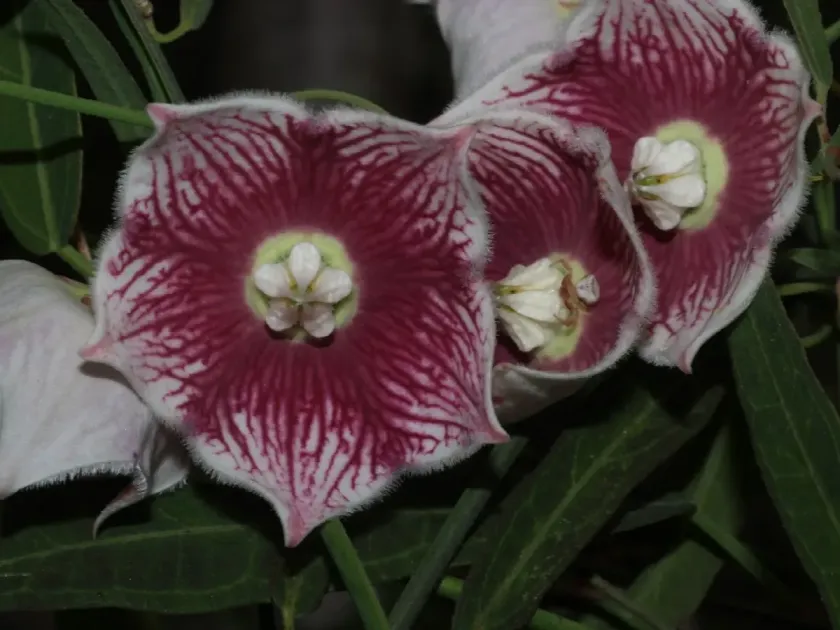
Description
Growing requirements
Sarcostemma secamone is a perennial climbing plant belonging to the Apocynaceae family. It is characterized by its succulent, flexible stems and its ability to thrive in arid environments, often utilizing a climbing habit to reach sunlight.
Originating from Africa and Madagascar, this species is adapted to tropical and subtropical climates. In its natural habitat, it is found in dry scrublands and rocky outcrops where the soil is porous and nutrient-poor.
The plant requires high levels of solar radiation and warm temperatures to maintain its metabolic processes. It is highly drought-tolerant, which makes it suitable for regions with prolonged dry seasons, provided it receives supplemental water during the active growth phase.
Soil requirements are centered on excellent drainage. A mix of sand, grit, and standard potting substrate is ideal for cultivation. High levels of moisture retention are generally detrimental to the plant and can cause rapid tissue decay.
Agricultural management involves pruning to control the aggressive growth of the vines and providing sturdy supports. Fertilization should be moderate, focusing on mineral salts that support the structural integrity of the succulent stems.
Main diseases and pests
The primary pests affecting this culture are mealybugs and spider mites, which frequently thrive in dry, indoor environments. These pests can severely damage the plant's succulent tissues by extracting essential nutrients.
Root rot, caused by various fungal species, is the most common disease associated with improper irrigation. Preventing waterlogged soil is the primary strategy to protect the root system from necrosis.
The presence of milky latex (typical of Apocynaceae) provides a chemical defense against some generalist herbivores, but it does not fully prevent specialized pest infestations. Careful monitoring of the shoot tips is necessary to prevent significant damage.
Scale insects can also colonize the stems, creating patches of infestation that weaken the plant's vitality. Manual removal or the use of horticultural oils is recommended if an outbreak occurs during the growing season.
Cultural practices such as improving air circulation and maintaining proper plant spacing are crucial for disease prevention. Ensuring that the foliage stays dry is vital for minimizing the risk of foliar fungal pathogens.