
Sarcostemma glaucum
Sarcostemma glaucum
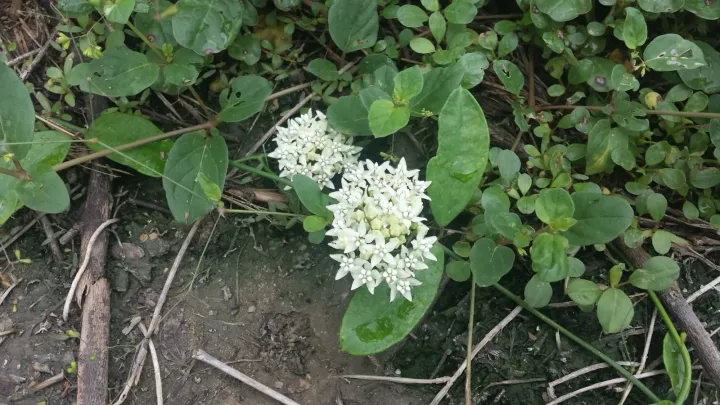
Description
Growing requirements
Sarcostemma glaucum is a succulent species belonging to the Apocynaceae family. Originating from tropical American regions, it is adapted to survive in environments with periodic water scarcity.
The plant exhibits a shrubby, succulent growth habit with cylindrical stems that lack traditional foliage, allowing the plant to minimize water loss through transpiration.
To cultivate this species successfully, one must provide a substrate with excellent drainage, such as a mix of pumice, coarse sand, and a minimal amount of organic matter.
The climate requirements involve high sunlight intensity and warm temperatures. In an agricultural or collection setting, protection from frost is essential as the plant is not winter-hardy.
Proper water management is the most critical factor in the plant's life cycle. The soil must be allowed to dry out significantly between irrigation events to prevent root decay.
Main diseases and pests
The primary threats to Sarcostemma glaucum are fungal pathogens resulting from stagnant moisture in the root zone, which can cause rapid necrosis of the stems.
Insects, particularly mealybugs and spider mites, pose a significant risk, especially in greenhouse conditions where air circulation might be insufficient.
Integrated pest management strategies should focus on maintaining a dry environment and using targeted insecticides when pest populations reach economic thresholds.
Overcrowding plants in a cultivation area increases humidity levels, which indirectly promotes the growth of opportunistic fungal pathogens on the succulent surface.
Regular monitoring of stem turgor and surface integrity is recommended to detect early signs of physiological stress or pest infestation before they cause severe damage.