
Oxystelma alpini
Oxystelma alpini
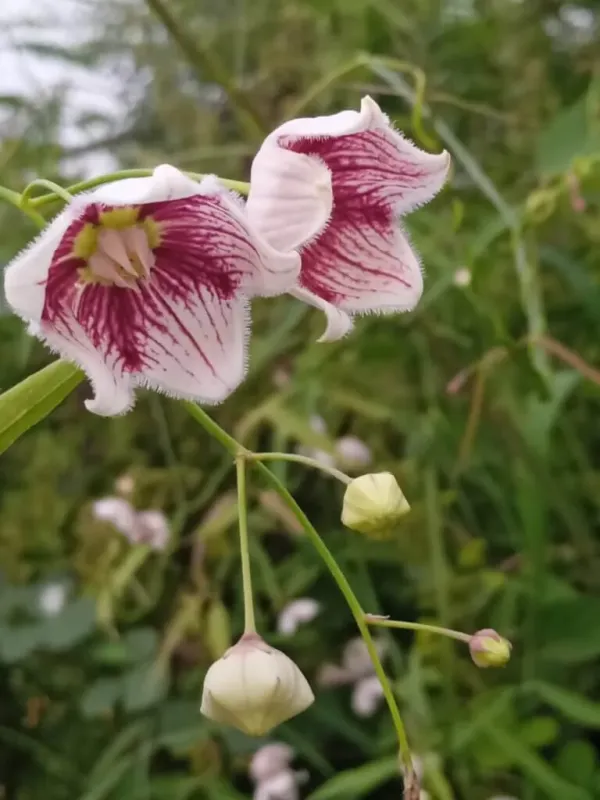
Description
Sowing dates
Oxystelma alpini is a perennial herbaceous plant belonging to the Apocynaceae family. This species is recognized for its unique physiological traits and its potential in specialized agricultural sectors, requiring precise cultivation strategies for optimal development.
The sowing window for Oxystelma alpini is typically scheduled for mid-to-late spring. Ensuring the soil temperature remains consistently above 15 degrees Celsius is critical for uniform germination and the establishment of a robust root system before the summer heat.
Growing requirements
Successful cultivation requires well-drained, nutrient-rich soils with a balanced pH level. Sandy loam textures are ideal, as they prevent waterlogging, which the root system of this species is particularly sensitive to throughout its growing cycle.
As a light-demanding crop, Oxystelma alpini thrives in full sun exposure. Adequate light intensity is essential for promoting healthy vegetative growth and supporting the plant's metabolic processes, which directly influence its structural integrity.
Climate adaptation is a key factor, as the species prefers stable, warm environments. In regions with significant seasonal temperature fluctuations, providing wind protection or utilizing controlled environments is necessary to maintain consistent crop vitality.
Main diseases and pests
Common phytopathological risks include fungal infections caused by excessive humidity or poor soil aeration. Furthermore, the crop may be susceptible to localized outbreaks of aphids and spider mites, necessitating regular field monitoring and integrated pest control.