
Monolluma socotrana
Monolluma socotrana
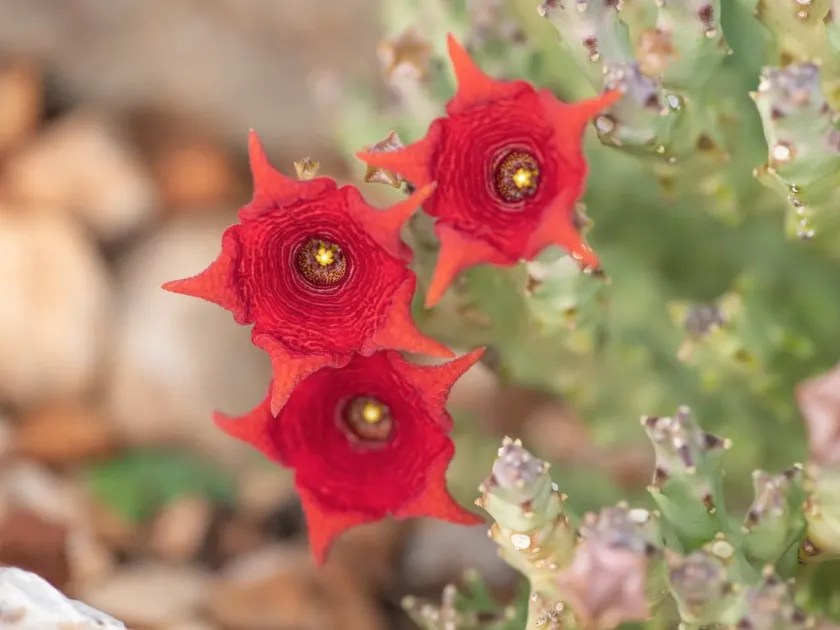
Description
Growing requirements
Monolluma socotrana is a succulent species belonging to the Apocynaceae family, native to the remote island of Socotra. This plant is evolutionarily adapted to thrive in harsh, arid climates where water availability is highly seasonal and limited.
The morphology of the plant features fleshy, succulent, ribbed stems that function as water reservoirs. Lacking functional leaves, the plant relies on photosynthesis conducted through its epidermis, which is protected by a waxy cuticle to prevent excessive water loss.
Successful cultivation requires a highly porous, inorganic-based substrate to facilitate rapid drainage. A mix comprising coarse sand, pumice, and minimal organic matter is ideal to mimic the natural rocky habitats where these plants typically grow.
These plants require high levels of bright, indirect sunlight to maintain their structural integrity. Exposure to unfiltered, extreme midday sun can cause tissue damage, while insufficient light leads to etiolation and structural weakness of the stem segments.
Environmental conditions must be strictly controlled, emphasizing a warm growing season and a cool, dry dormant period. Temperature management during winter dormancy is critical to prevent metabolic stress, with temperatures ideally kept between 12 and 15 degrees Celsius.
Main diseases and pests
Mealybugs are the most prevalent pest affecting Monolluma socotrana, often congregating in the grooves between stem ribs. Their presence inhibits growth and can facilitate secondary infections, necessitating immediate treatment with systemic insecticides or localized alcohol applications.
Root rot is the most common ailment associated with improper watering practices. High humidity in the root zone, especially during low temperatures, leads to the rapid proliferation of pathogenic fungi that destroy the plant's structural root mass.
Spider mites are a significant threat in poorly ventilated growing environments, particularly during dry seasons. They cause stippling and discolouration on the epidermis, which can permanently scar the plant and detract from its aesthetic and physiological health.
Bacterial soft rot can occur if the plant sustains physical injury that is not allowed to callus properly. Once inside the tissue, the bacteria decompose the succulent stem rapidly, requiring immediate removal of all necrotic parts to save the healthy remainder.
Preventative management is key to maintaining health, including consistent monitoring for pests and the use of well-aerated, disinfected growth media. Maintaining a clean environment and ensuring adequate airflow helps mitigate the risk of pathogen accumulation.