
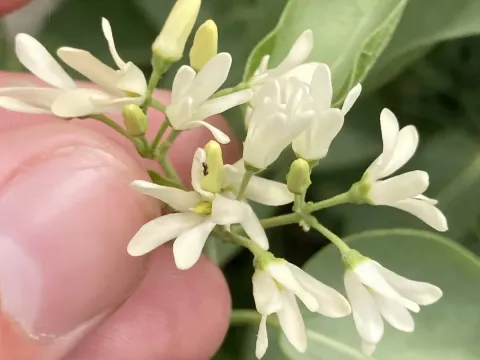
Cionura
Cionura
Sowing Cionura (Cionura erecta) is primarily done using seeds, which require stratification to improve germination vigor. The optimal time for sowing is during the spring when soil temperatures reach 10–12 degrees Celsius.
What the section contains

Cionura
The sowing depth should not exceed 1–2 centimeters, given the small size of the seeds and their need for sufficient light. Seedlings emerge unevenly, so pre-germination or the use of growth stimulants is highly recommended.
When sowing in rows, a spacing of at least 45–60 centimeters should be maintained to facilitate plant care. During the first few months, the plants grow slowly and require diligent weeding to prevent competition.
Sowing dates depend on regional climate conditions, but a stable warm period without the risk of frost remains the priority. The crop is often grown as a perennial on the same plot for up to 5–7 years.
Seeding density is determined by the intended purpose: for raw material production, higher density is preferred compared to selective breeding. Ensuring good soil aeration around the root zone is crucial for plant development.
Cionura is a light-loving plant that achieves its full biological potential in open areas without shading. It demonstrates high drought tolerance due to its specialized root structure.
It prefers light, structural soils with a neutral or slightly alkaline pH, rich in calcium and magnesium. The plant reacts poorly to waterlogging, making plots with high groundwater levels unsuitable for cultivation.
As a member of the Apocynaceae family, the plant requires warmth; optimal growth occurs between 20 and 28 degrees Celsius. Sudden temperature drops during spring can significantly retard growth.
Fertilization should be moderate, focusing on phosphorus and potassium during the budding stage. Excessive nitrogen leads to vegetative overgrowth at the expense of accumulating active compounds.
Good agricultural practice also includes regular inter-row cultivation, which helps retain soil moisture and prevents the formation of soil crusts after irrigation or rainfall.
The productivity of Cionura is measured by the biomass output containing valuable glycosides. Yield depends on the plantation's age and the level of agronomic management provided.
In the first year after planting, harvest is generally avoided to allow the root system to strengthen. From the second year onwards, a stable volume of biomass can be obtained with regular fertilization.
Peak productivity is reached in the third or fourth year of the plantation's life. During this period, the number of stems per plant increases significantly, directly impacting the overall yield.
It is essential to harvest during the flowering phase, as active substance content declines as stems become woody. Proper timing is critical for high-quality production.
Yield metrics vary by region, but the crop consistently shows excellent results in Mediterranean or steppe climates when maintained under proper care.
The main threats to Cionura include fungal diseases caused by high humidity. Various types of root rot can quickly destroy a plantation if soil moisture is not managed correctly.
Common pests include aphids and spider mites, which damage leaves and growing points. Regular monitoring of the crops allows for early intervention and localized treatment.
In some years, leaf-eating caterpillars may cause damage, reducing photosynthetic activity. Integrated pest management methods are recommended to minimize chemical usage.
Weeds are major competitors early in the season, as the plant is highly sensitive to shading. Mulching the space between rows helps suppress weed growth effectively.
Maintaining a proper crop rotation is vital to prevent the accumulation of pathogens specific to the Apocynaceae family in the soil.
Harvesting Cionura is performed manually or mechanically during the mass flowering phase to ensure optimal concentration of active ingredients in the raw material.
The harvested biomass requires rapid drying to prevent fermentation and spoilage. This is best achieved using professional dryers or well-ventilated sheds away from direct sunlight.
During the harvest, it is important to prevent soil contamination, as impurities significantly lower the quality of the raw material and complicate further processing.
The product should be stored in a dry, dark, and cool facility with good ventilation to preserve its chemical properties over time.
Under favorable conditions, it is sometimes possible to perform a second harvest at the end of the season if the plants demonstrate sufficient regeneration after the first cut.