
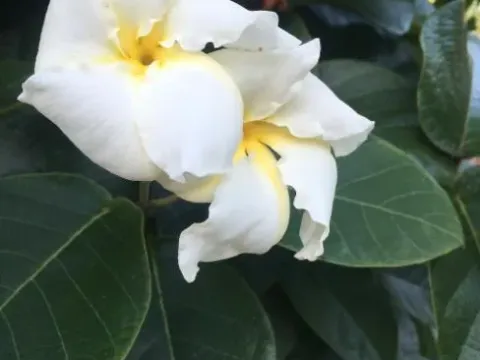
Chonemorpha
Chonemorpha
Chonemorpha is a genus of woody lianas belonging to the Apocynaceae family. These plants are characterized by their vigorous growth habit and ability to climb using specialized stems, making them prominent features in the tropical forests of Asia.
What the section contains


Chonemorpha
The cultivation of Chonemorpha requires strict adherence to tropical climate conditions. The plant thrives in high humidity and warm temperatures, which are essential for maintaining its turgor pressure and promoting the development of its signature funnel-shaped flowers.
Soil requirements involve a well-draining, nutrient-dense substrate. To prevent root rot, which is a common issue in humid environments, growers often mix organic matter with perlite or coarse sand to ensure oxygen reaches the roots consistently.
Light exposure should be managed carefully. While mature plants are capable of reaching the canopy to access direct sunlight, young specimens benefit from filtered light to prevent leaf scorching. Consistent light intensity is a direct driver of floral production.
In terms of practical utility, Chonemorpha is highly valued in ornamental horticulture. Its aesthetic appeal is complemented by the fragrant nature of its blooms, providing both visual and olfactory interest in specialized tropical garden collections and conservatory settings.
Plant health can be compromised by common pests such as mealybugs and aphids, which frequently congregate on the tender young shoots. Regular monitoring and physical removal are usually sufficient to maintain plant vigor in a controlled environment.
Fungal pathogens represent a latent threat, particularly in greenhouses with poor ventilation. To minimize the risk of blight or spots, it is critical to provide adequate airflow around the canopy and ensure that moisture levels on the foliage are minimized during cooler periods.