
Chonemorpha fragrans
Chonemorpha fragrans
Description
Growing requirements
Chonemorpha fragrans is a robust woody climber belonging to the Apocynaceae family. It is native to the tropical forests of South and Southeast Asia, flourishing in regions with high biodiversity and consistent warm weather.
The cultivation of this plant requires a humid environment mimicking its natural rainforest habitat. Optimal conditions involve bright, indirect light, as direct exposure to intense midday sunlight may result in leaf scorch and dehydration.
Soil requirements include a well-draining, nutrient-rich, and slightly acidic medium. Because the roots are susceptible to rot, it is critical to ensure that the potting mix provides excellent aeration and does not retain excess water.
Agrotechnical practices must prioritize the provision of sturdy support structures. As a high-climbing vine, Chonemorpha fragrans requires trellis or wires to anchor its stems and facilitate vertical growth and flowering.
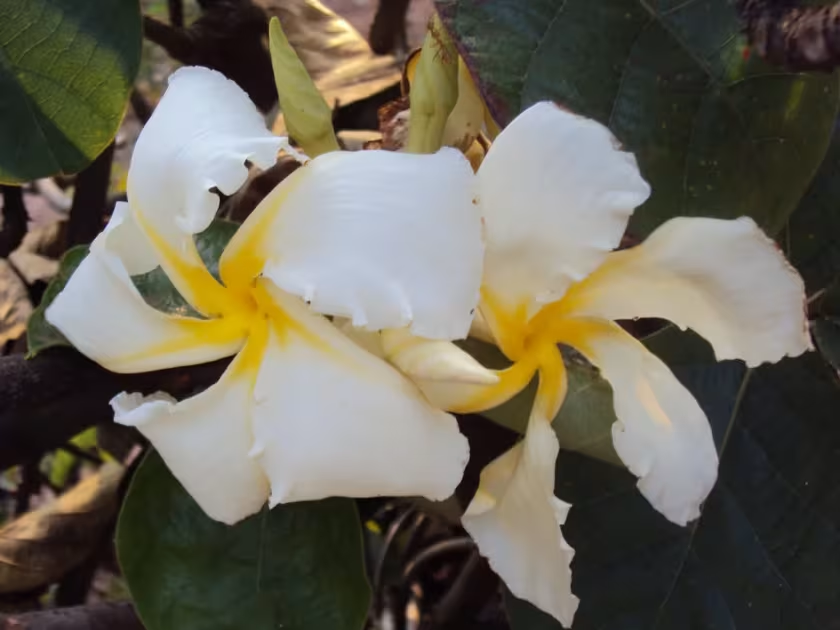
The plant is highly regarded for its large, white, intensely fragrant blossoms that bloom seasonally. Beyond its ornamental use in tropical gardening, certain parts of the vine are utilized in ethnomedicine, making it a subject of horticultural and botanical interest.
Main diseases and pests
The crop is prone to infestations of common greenhouse pests, such as spider mites and mealybugs. Regular monitoring and the maintenance of adequate atmospheric humidity are the primary methods for preventing population outbreaks.
Root pathogens associated with soil-borne fungi pose the most significant risk during cooler periods when the plant's metabolic activity slows down. Improving air circulation and strict adherence to irrigation schedules are essential for plant protection.