
Ceropegia lugardiae
Ceropegia lugardiae
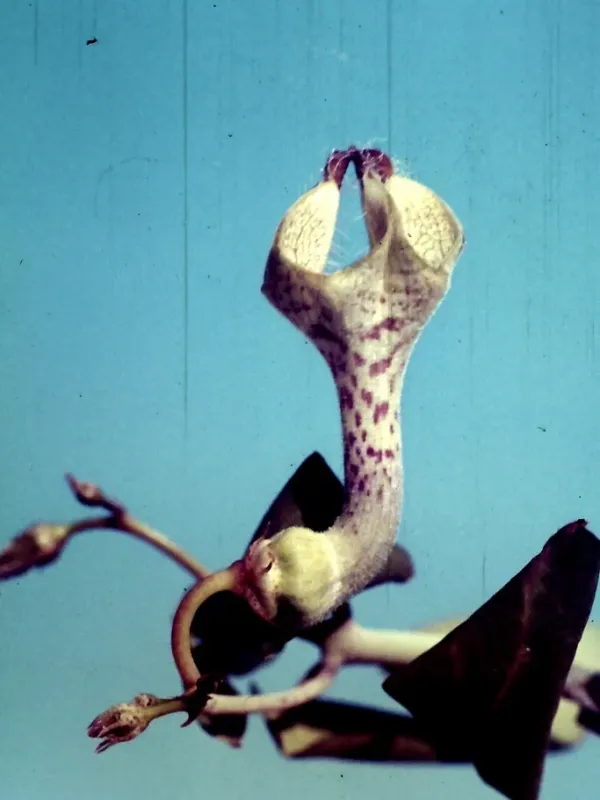
Description
Growing requirements
Ceropegia lugardiae is a perennial succulent belonging to the Apocynaceae family. Native to the southern regions of Africa, this plant has evolved to thrive in arid environments, often found growing in rocky terrain where water retention is crucial for survival.
The plant features slender, climbing stems and fleshy, lance-shaped leaves designed to store water during prolonged dry spells. Its growth habit is typically trailing or twining, making it a popular choice for hanging baskets and vertical displays in indoor collections.
For optimal growth, Ceropegia lugardiae requires bright, indirect light. While it appreciates high light intensity, direct scorching afternoon sun should be avoided to prevent tissue damage and yellowing of the foliage, which can mar its aesthetic appeal.
The soil requirements involve a well-draining, porous medium specifically designed for succulents. A mix comprising coarse sand, perlite, and a small portion of peat or humus is recommended to ensure the root system is well-aerated and protected from rot.
Temperature management is key during the growing season, with 20–26 degrees Celsius being ideal. During the winter months, the plant enters a period of dormancy, necessitating lower temperatures and a significant reduction in irrigation to mimic its natural environment.
Main diseases and pests
The primary pests affecting Ceropegia lugardiae include mealybugs and spider mites. These pests thrive in dry conditions and can cause significant harm by sucking sap from the stems. Regular inspection and the use of insecticidal soap are effective control measures.
Root rot caused by overwatering is the most significant threat to the plant's health. When the soil remains wet for extended periods, especially in cooler conditions, the roots become susceptible to fungal infections that can quickly spread to the stems.
To mitigate the risk of disease, it is essential to allow the substrate to dry out completely between waterings. Proper drainage holes in the container are non-negotiable for maintaining a healthy moisture balance within the root zone.
Hygiene is vital when performing maintenance tasks such as pruning. Sterilizing cutting tools helps prevent the transmission of pathogens, ensuring that the plant remains vigorous and free from systemic infections or bacterial rot.
Beyond its botanical interest, this species is primarily valued as an ornamental houseplant. Its resilience and unique floral architecture make it a sought-after specimen for succulent enthusiasts and those interested in exotic indoor gardening.