
Ceropegia racemosa
Ceropegia racemosa
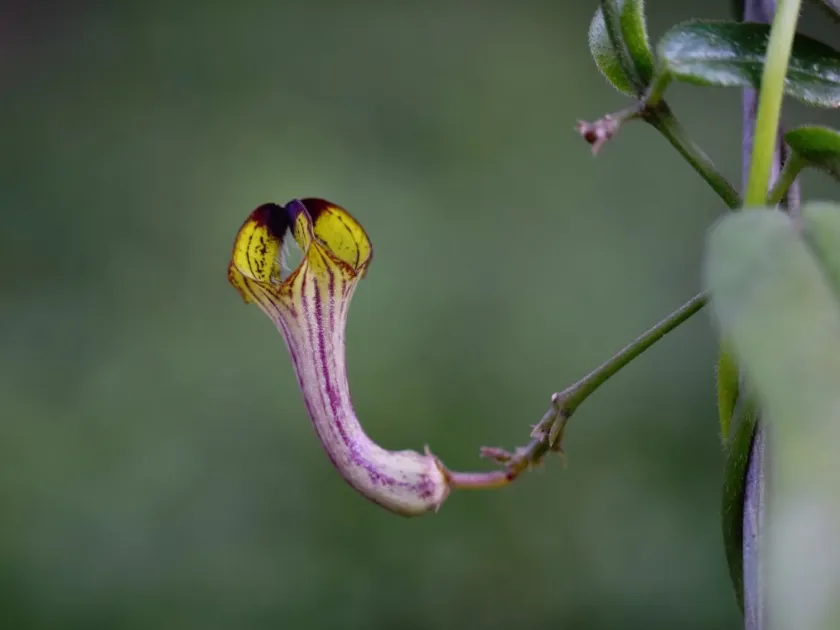
Description
Growing requirements
Ceropegia racemosa is a perennial succulent plant belonging to the Apocynaceae family. Native to tropical regions of Africa, this plant has adapted to survive in diverse environments by developing specialized storage organs, including succulent stems and tuberous roots.
Botanically, it is recognized for its unique vegetative structure, which allows it to thrive in arid conditions. The plant utilizes these water-storage tissues to maintain metabolic activities during prolonged dry spells common in its natural habitat.
Cultivation requires exposure to bright, filtered sunlight. Excessive direct solar radiation can damage the plant's epidermis, so managed shading systems are typically implemented in greenhouse environments to promote optimal growth rates.
The climate requirements include a warm environment, ideally between 22 and 28 degrees Celsius during the active growing season. A cooler dormant period with temperatures around 15 degrees Celsius is essential to stimulate future flowering cycles.
Soil management is critical for the success of this crop. The substrate must be porous and well-draining, typically consisting of coarse sand, perlite, and a small portion of organic matter to prevent water logging around the sensitive root base.
Main diseases and pests
The primary threats to Ceropegia racemosa include fungal pathogens, particularly those causing root and stem rot. These issues are almost exclusively caused by over-irrigation or inadequate drainage in the cultivation substrate.
Insect pests, such as mealybugs and spider mites, are frequent challenges in succulent production. These pests thrive in environments with low humidity, causing significant damage by extracting sap from the succulent stems.
Integrated pest management (IPM) strategies are recommended to keep populations under control. This involves monitoring, biological controls, and the targeted application of systemic insecticides when necessary to avoid environmental stress.
Preventative measures include maintaining proper airflow around the plants and ensuring that the substrate dries out sufficiently between watering sessions to discourage the growth of pathogenic fungi.
Should an infestation occur, immediate quarantine of the affected plants is necessary. Cleaning the surrounding area and treating adjacent plants can prevent the widespread loss of stock in large-scale or collection settings.