
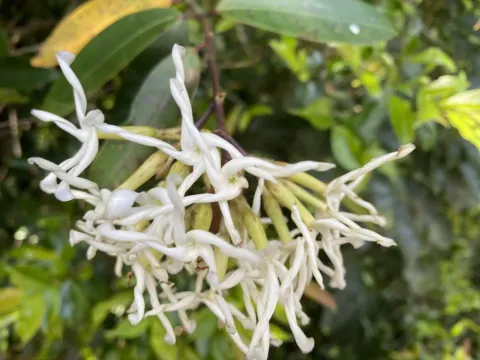
Anodendron
Anodendron
Anodendron is a genus of woody lianas belonging to the Apocynaceae family. These plants are native to the tropical and subtropical regions of Southeast Asia, where they typically thrive in dense, humid forest environments, utilizing trees as natural supports to climb towards the canopy.
What the section contains


Anodendron
The botanical structure of Anodendron features robust, woody stems and opposite, leathery leaves that possess a glossy texture. These leaves are specifically adapted to efficiently manage transpiration in high-temperature, high-humidity ecosystems, allowing the plant to remain green throughout the year.
Cultivating this plant successfully requires a strictly tropical climate with minimal seasonal temperature fluctuations. The plant is highly intolerant of frost and cold drafts; therefore, consistent ambient warmth is essential for maintaining healthy growth rates and preventing physiological stress.
Regarding soil conditions, Anodendron thrives in well-draining, nutrient-rich substrates. Proper drainage is the most critical factor in its maintenance, as excess water retention in the root zone quickly leads to root rot and other fatal fungal complications, which are the primary concerns for growers.
The host of potential uses for Anodendron includes medicinal research and botanical displays in temperate climate glasshouses. While not a conventional crop for large-scale industrial agriculture, it holds significant interest for those studying the secondary chemical compounds found within the Apocynaceae family.
Common pests associated with Anodendron include mealybugs, scale insects, and spider mites, which frequently thrive in environments where air circulation is insufficient. Managing these threats involves maintaining adequate humidity levels and periodic applications of appropriate biological or chemical controls.