
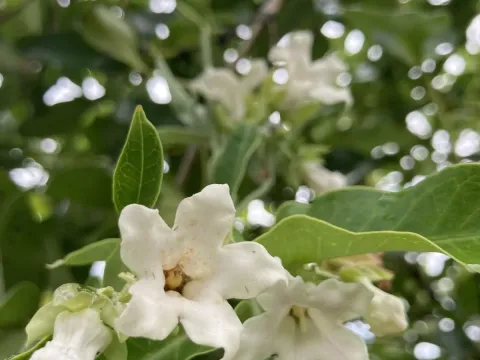
Araujia
Araujia
Sowing Araujia seeds typically begins in early spring under controlled greenhouse conditions to ensure an extended growing season for the young vines.
What the section contains

Araujia
A well-draining, peat-based seed-starting mix is recommended to provide the necessary moisture retention while preventing early-stage seedling damping-off.
Seeds should be covered lightly with substrate, as moderate light exposure is beneficial for initiating the germination process within 14 to 21 days.
Maintaining a constant temperature range between 20°C and 25°C is crucial for achieving uniform germination rates across the entire batch of seeds.
Once true leaves develop, seedlings require thinning or individual transplanting to avoid competition for light and essential soil nutrients.
Araujia belongs to the Apocynaceae family and is recognized as a vigorous, climbing perennial vine that thrives in warm, sunny environments.
This crop requires fertile, deep soil with excellent drainage, as the root system is highly susceptible to rot in waterlogged or heavy clay conditions.
Full sun exposure is the primary requirement for healthy development; in low-light conditions, the vine will become spindly and produce fewer flowers.
Given its aggressive growth habit, providing sturdy structural supports like trellises, arbors, or wire mesh is essential for successful management.
The plant is sensitive to frost, necessitating either indoor overwintering or management as an annual crop in temperate climates where temperatures drop below freezing.
Common pests affecting Araujia include spider mites and mealybugs, which thrive in protected environments and can quickly colonize the undersides of leaves.
Fungal pathogens such as root rot frequently occur when soil moisture is managed poorly or when the growing medium lacks adequate aeration.
Integrated pest management strategies involve monitoring for aphid infestations on tender new shoots and applying horticultural soaps when populations emerge.
The species is considered invasive in several parts of the world due to the wind-dispersed nature of its seeds, which can easily escape cultivation.
Strict sanitation practices, including the removal of fruit pods before they mature and split open, are recommended to prevent unwanted spread in local ecosystems.