
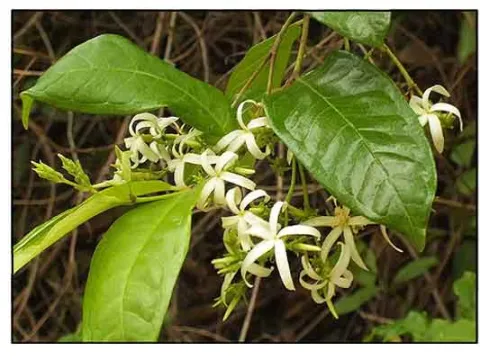
Amphineurion
Amphineurion
Amphineurion is a genus of evergreen woody vines belonging to the Apocynaceae family. Known for its climbing habit, this plant is primarily found in the tropical regions of Southeast Asia, where it thrives in lush, high-humidity environments.
What the section contains

Amphineurion
Successful cultivation of this species depends heavily on providing a well-draining, nutrient-rich soil medium. Because the plant is sensitive to waterlogged roots, ensuring adequate drainage in containers or greenhouse beds is a standard agronomic requirement for long-term health.
The climate requirements for Amphineurion include consistent warmth and protection from direct, scorching sunlight. Ideally, the plant should be situated in a location with filtered light and high atmospheric humidity to mimic its natural rainforest habitat.
Agronomic practices involve regular pruning to manage the vigorous growth of the vines and promote a more compact, dense canopy. During the growing season, a balanced liquid fertilizer application every few weeks supports rapid foliage development and potential flowering.
Economically, Amphineurion is valued mainly for ornamental purposes, often appearing in conservatory collections or specialized greenhouse settings. Its biological profile suggests a rich chemistry that requires professional handling during any propagation or maintenance activities.
The primary pests affecting Amphineurion are common greenhouse insects, such as spider mites and mealybugs, which thrive in protected environments. Overwatering remains the most critical threat, often leading to fungal diseases that impact the root system and overall stability of the plant.