
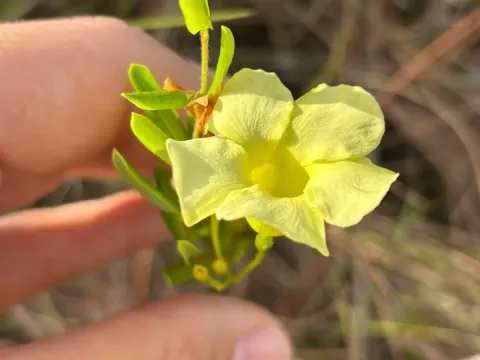
Angadenia
Angadenia
Angadenia is a genus of flowering plants within the family Apocynaceae, known for its elegant foliage and distinct tubular blooms. These plants are native to the Caribbean region, where they thrive in warm, tropical conditions and specific ecological niches.
What the section contains

Angadenia
Botanically, Angadenia is characterized by its evergreen nature, featuring leathery leaves that are adapted to the intense light of its native habitat. The structure of the plant allows it to flourish in sandy or rocky soils where drainage is optimal, preventing root stagnation.
The climate requirements for Angadenia are strictly tropical. It demands high ambient temperatures and consistent humidity throughout the growing season. In non-tropical regions, it is cultivated exclusively in greenhouses or as an indoor ornamental plant, away from any frost.
Soil composition should be light and porous. A mix of organic potting compost combined with perlite or coarse sand provides the necessary environment for the root system to expand effectively. Consistent aeration is key to the overall health of the species.
Light exposure needs to be carefully managed. While the plant requires plenty of indirect sunlight to support blooming, it should be protected from harsh, direct midday sun. Artificial grow lights may be used in indoor settings to maintain growth during winter months.
Typical pests affecting Angadenia include spider mites and mealybugs, which are common in indoor or greenhouse environments. These insects often thrive in dry conditions and can damage the foliage if not treated promptly through physical removal or biological control.
Fungal pathogens such as root rot represent the most significant threat to the plant's survival. This condition is almost always linked to overwatering or a lack of drainage, leading to the rapid decay of the root system and eventual death of the specimen.
Preventive measures include regular inspection of the plant's underside leaves where pests usually congregate. Furthermore, proper spacing between plants is essential to ensure good airflow, which significantly reduces the risk of moisture-related fungal infections.
It is important to note that like many other members of the Apocynaceae family, Angadenia contains toxic sap. Handlers must exercise caution, wearing gloves during maintenance or pruning tasks to avoid contact with the skin or eyes.
Finally, maintaining a consistent balance between watering and drying out the substrate is crucial. Providing proper seasonal care, including reduced watering during the plant's dormant phase, is the best strategy for long-term health and disease prevention.