
Anodendron paniculatum
Anodendron paniculatum
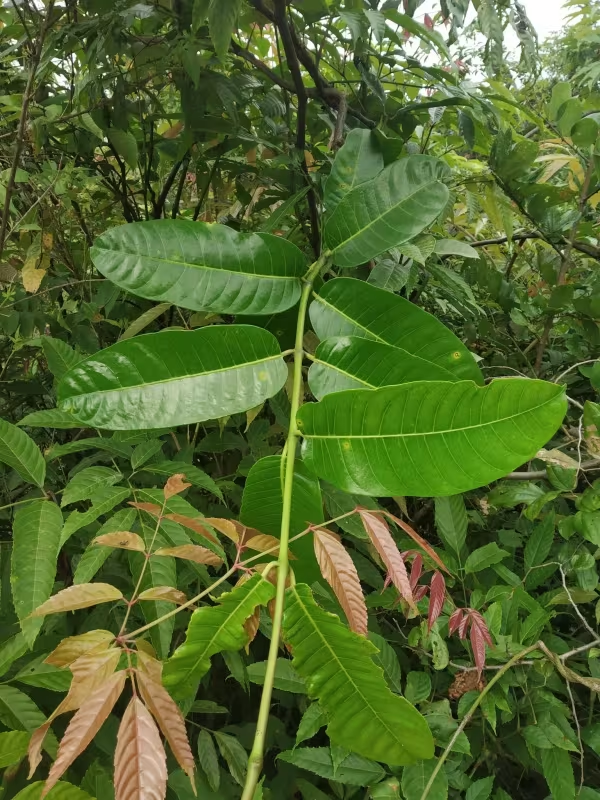
Description
Growing requirements
Anodendron paniculatum is a woody, perennial liana belonging to the Apocynaceae family. Native to the tropical regions of Southeast Asia, it is well-adapted to dense, humid forest environments.
To ensure optimal growth, the crop requires a tropical climate with high ambient humidity and consistently warm temperatures. Frost or prolonged cold spells are detrimental to the health of the plant.
The ideal soil for this species is a nutrient-rich, well-draining substrate. It performs best in loam soils that balance moisture retention with the necessary aeration for root health.
Being a climbing plant, Anodendron paniculatum necessitates sturdy vertical structures or host trees to support its rapid development. Adequate sunlight exposure is vital to promote vegetative growth and flower production.
Agricultural management should focus on consistent soil moisture levels and the periodic application of organic mulch to maintain soil fertility and structure throughout the growing season.
Main diseases and pests
The primary threats to this plant are soil-borne pathogens and fungal infections, particularly during the wet season when high humidity levels persist for long periods.
Insect pests, such as aphids, mites, and scale insects, may cause damage to young shoots and foliage, necessitating vigilant monitoring of the plantations.
Although the plant produces latex which offers some level of defense against herbivores, structural damage from pests can introduce secondary infections to the woody stems.
Integrated pest management strategies are recommended, focusing on maintaining plant health through proper spacing and ventilation between individual vines.
Prevention of waterlogging is the most critical factor in mitigating the risk of root diseases that can lead to total crop failure in sensitive specimens.