
Asclepias rotundifolia
Asclepias rotundifolia
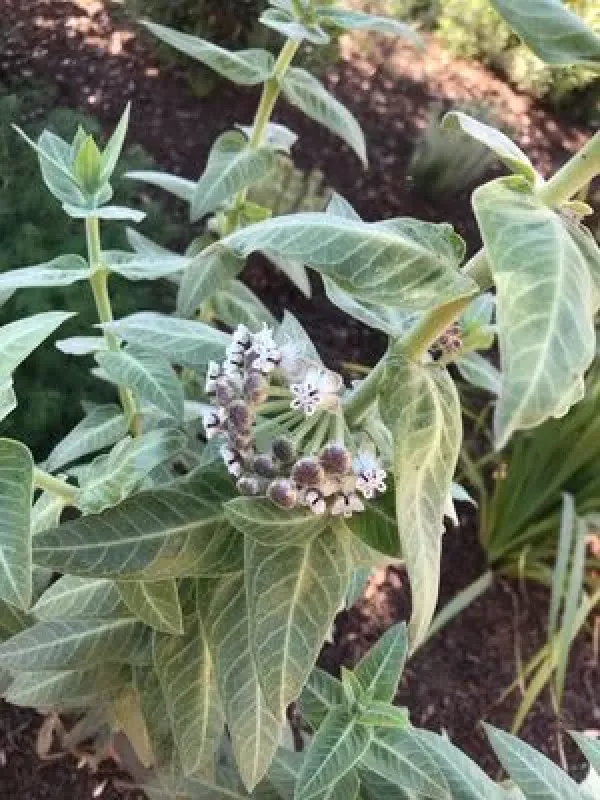
Description
Sowing dates
Sowing of Asclepias rotundifolia seeds is typically carried out during the spring months when soil temperatures reach 15–18 degrees Celsius.
Effective germination requires a mandatory period of stratification, which significantly improves the vigor and consistency of plant emergence.
The optimal seeding depth is approximately 1–2 centimeters, depending heavily on the structure and moisture content of the agricultural soil.
For large-scale cultivation, row planting with wide spacing is recommended to simplify maintenance and improve plant ventilation.
The seedling method is also widely used, allowing producers to establish strong root systems before transplanting into the open field.
Growing requirements
Asclepias rotundifolia belongs to the Apocynaceae family and is a heat-loving plant originating from the diverse habitats of Southern Africa.
The crop thrives in well-drained sandy or loamy soils with a neutral or slightly acidic pH level, essential for its proper physiological development.
While the plant exhibits moderate drought tolerance, it requires consistent irrigation during the active growing phase to maintain structural integrity.
High levels of solar radiation are necessary for the plant to achieve its full potential, making open and sunny locations ideal for cultivation.
Proper soil aeration is critical, as stagnant moisture around the roots can lead to rapid decay and loss of the crop.
Main diseases and pests
Aphids represent the most significant pest pressure for this species, often colonizing tender shoots and hindering healthy development.
Excessive humidity combined with low temperatures frequently results in root rot, which is a major threat to the survival of the plants.
Spider mites can cause significant damage during prolonged hot and dry periods, necessitating immediate intervention with appropriate acaricides.
Proactive weed management is essential to prevent the spread of pests and diseases that may inhabit nearby wild vegetation.
Integrated pest management, including regular inspection and the judicious use of fungicides, is vital for maintaining a healthy field environment.