
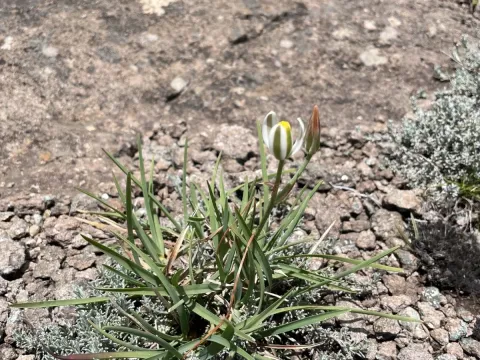
Albuca humilis
Albuca humilis
Sowing Albuca humilis seeds is best performed during the early spring when temperatures remain consistently mild. Using fresh seeds is crucial, as they have a relatively short shelf life and tend to lose their viability if kept in storage for too long.
What the section contains
Albuca humilis
Prepare a light and porous substrate, preferably a mixture designed for succulents with a significant amount of perlite or coarse sand. Seeds should be sown on the surface and pressed down slightly, ensuring they remain in constant contact with the moist growing medium.
Cover the seed tray with a clear plastic lid or glass to maintain high humidity levels during the germination phase. The optimal temperature for starting the seeds ranges from 20 to 22 degrees Celsius, with seedlings appearing within four weeks.
Once germinated, the seedlings must be placed in a brightly lit area to encourage sturdy growth and prevent elongation. Bright, indirect light is ideal for young plants as they gradually adjust to the environment of their permanent containers.
Pricking out the seedlings should be done with extreme care once the first true leaves have developed. Because the bulb and root systems are fragile at this stage, handling the plants requires precision to avoid damaging the delicate tissues.
Albuca humilis is a charming bulbous perennial from the Asparagaceae family, native to the high-altitude regions of South Africa. Its biology is strictly adapted to cycles of intense growth followed by extended periods of dormancy in dry conditions.
This species requires intense sunlight to thrive; in low-light conditions, the plants become weak and fail to bloom. A sunny south-facing windowsill or a spot in a greenhouse is generally the most appropriate location for its development.
The soil must be exceptionally well-draining, mimicking the rocky or sandy soils of its native habitat. Any water retention at the root zone acts as a catalyst for fungal development and quickly leads to the death of the bulb.
The plant follows a distinct seasonal cycle: it requires moderate watering during the active growth period and a cool, dry winter rest. Maintaining a dormant temperature around 10 to 12 degrees Celsius is critical for the plant to reset for the next blooming cycle.
Fertilization should be limited to the growing season, utilizing balanced liquid fertilizers diluted to half strength. Avoiding excessive nitrogen is important, as it promotes soft, susceptible growth that lacks the necessary hardiness of this species.
Root and bulb rot represent the most significant threat to Albuca humilis, typically caused by overwatering or poor soil drainage. Once rot begins, it spreads rapidly throughout the fleshy bulb scales, making recovery very difficult.
Pests such as mealybugs and spider mites are frequent invaders, especially when the plant is kept in indoor environments with limited airflow. These pests weaken the plant by extracting sap from the leaves and crown.
Gray mold (Botrytis) can affect the plant during cooler, damp periods if moisture remains trapped in the center of the leaf rosette. Maintaining good ventilation around the foliage is an effective preventive measure against this pathogen.
If purchasing soil or plants, one must be cautious of soil-borne nematodes that can damage the root system. Proper sterilization of substrate or thorough inspection of plants is recommended before introducing them to an established collection.
- Ensure a high-quality drainage layer in all containers.
- Avoid getting water into the center of the leaf rosette.
- Inspect foliage regularly for early signs of mite infestation.
- Apply systemic fungicides only when strictly necessary and in accordance with instructions.