
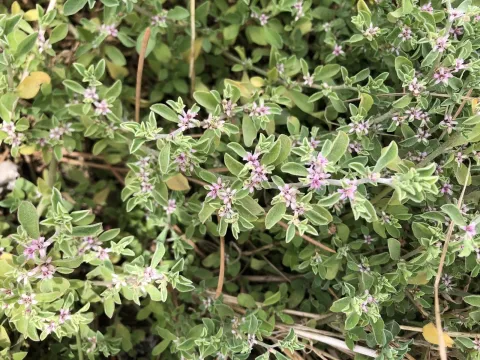
Aizoon secundum
Aizoon secundum
Aizoon secundum is a specialized succulent species belonging to the Aizoaceae family. It is recognized for its physiological adaptation to arid environments, storing significant moisture within its leaves to survive periods of prolonged drought.
What the section contains
Aizoon secundum
The native distribution of this plant is primarily concentrated in the desert and semi-desert regions of Southern Africa. Its natural habitat consists of sandy, saline-rich soils, marking it as a true halophyte capable of thriving in harsh conditions.
Successful cultivation requires intense solar radiation and minimal competition for space. The plant functions optimally when provided with a dry, warm climate, reflecting its evolutionary origin in high-temperature environments.
Soil composition must be extremely well-draining, such as sandy loams or gritty substrates. The presence of excess moisture in the root zone is the primary cause of failure, leading to rapid tissue decay and plant mortality.
In agricultural practice, Aizoon secundum is viewed as a candidate for rehabilitating degraded, saline lands. Its biological capacity to manage mineral accumulation makes it a subject of interest for sustainable agricultural research in arid zones.
The primary threat to Aizoon secundum is fungal infection resulting from humidity and poor drainage. Root and crown rot occur quickly if the root environment becomes waterlogged, making soil management the top priority.
Common pests include spider mites and mealybugs, which thrive in hot, dry conditions. These pests penetrate the succulent tissues, weakening the plant and creating entry points for opportunistic bacterial or fungal pathogens.
Soil-borne nematodes pose a significant threat by damaging the root system's integrity, effectively reducing the plant's ability to maintain hydration levels during intense heat waves.
Management strategies should focus on maintaining optimal aeration and avoiding over-irrigation. Integrated pest management (IPM) is recommended to mitigate the impact of insects without harming the plant's delicate epidermis.
Competition from invasive weeds can stifle the growth of the succulent during its establishment phase. Strategic mechanical weeding is necessary until the plant develops sufficient ground cover to suppress competing flora.