
Aizoon glinoides
Aizoon glinoides
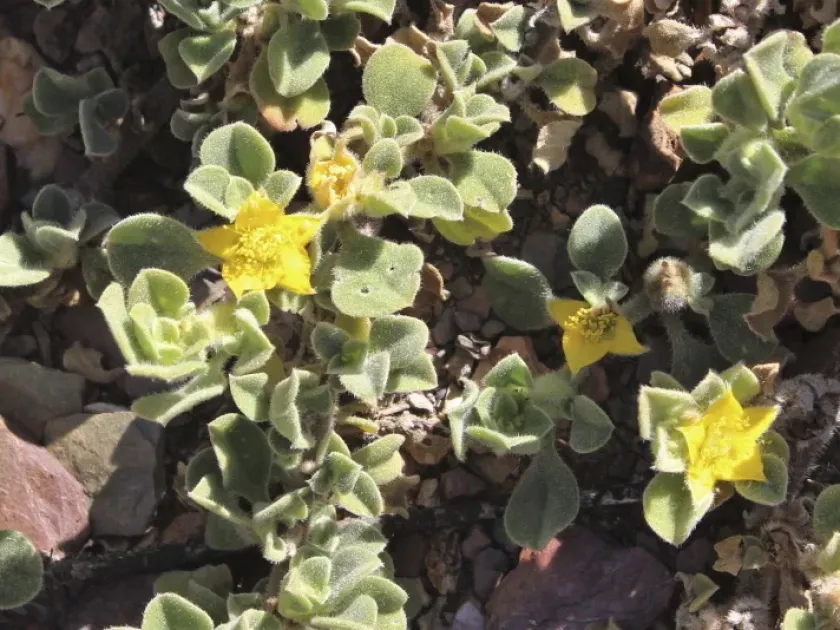
Description
Sowing dates
Sowing Aizoon glinoides requires warm soil conditions to ensure rapid germination and healthy establishment of the root system during the early stages.
The optimal planting window typically opens in late spring when the risk of frost is entirely eliminated and soil temperatures have risen sufficiently.
Given the small size of the seeds, surface sowing or very shallow covering with fine soil is recommended to allow for adequate light penetration.
Proper spacing between rows is essential to facilitate mechanical weeding and ensure that each plant has enough space to spread its succulent foliage.
Soil moisture should be monitored closely during the first two weeks post-sowing, as consistent but not excessive humidity is key to successful germination.
Growing requirements
Aizoon glinoides belongs to the Aizoaceae family, known for its members' specialized ability to store water in fleshy leaves, effectively surviving drought.
The crop thrives in well-drained, sandy, or gravelly soils where aeration is high, preventing the moisture accumulation that leads to root degradation.
This species is highly adapted to arid and semi-arid environments, making it a sustainable candidate for cultivation in water-limited agricultural regions.
Full sun exposure is a mandatory requirement for this culture, as it promotes vigorous growth and maintains the structural integrity of the succulent tissues.
While the plant is hardy, it benefits from balanced mineral intake, though it remains tolerant of poor soils that would be unsuitable for more demanding crops.
Main diseases and pests
Root rot remains the primary threat to the stability of the crop, almost always caused by poor soil drainage and stagnant water levels in the root zone.
Fungal pathogens can occasionally affect the leaves during periods of high humidity, necessitating good air circulation and proactive cultural management.
Pests like snails and slugs are notorious for feeding on succulent tissues, posing a major risk to seedling stands and younger, tender foliage.
Integrated pest management strategies should be employed to control local insect populations that may serve as vectors for secondary plant diseases.
Field hygiene, including the prompt removal of crop residues and aggressive weed control, is essential to minimize the inoculum pressure in the field.