
Antimima
Antimima
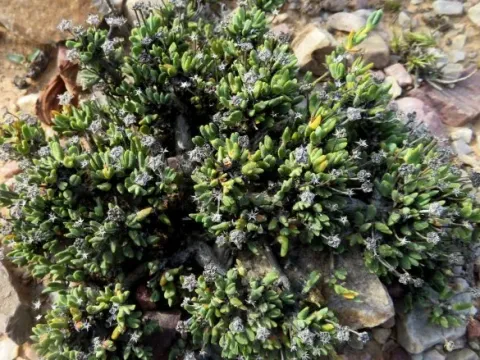
Antimima is a genus of succulent plants belonging to the family Aizoaceae. Native to the arid regions of Southern Africa, these plants have evolved to thrive in harsh environments characterized by low rainfall and poor, stony soils.
What the section contains
Antimima
The botanical structure of the plant is adapted for water conservation, featuring fleshy, often compact leaves that are arranged in small rosettes. This growth habit helps the plant endure prolonged periods of drought in its natural habitat.
Successful cultivation requires high levels of light exposure throughout the year. If kept in insufficient light, the plant will etiolate, losing its characteristic compact form and becoming fragile.
Soil requirements are strict regarding drainage. A mineral-based substrate, such as a mix of pumice, coarse sand, and a minimal amount of potting soil, is essential to prevent root rot.
Temperature management involves a warm summer growing season and a cool, dry winter dormancy period. Maintaining temperatures between 8-12°C in winter is critical for triggering the natural flowering cycle.
The primary threat to the health of Antimima is overwatering, especially during periods of lower light or cooler temperatures. Excessive moisture leads to root rot, which is often irreversible.
Pests such as mealybugs often hide in the tight crevices between the fleshy leaves. These sap-sucking insects can quickly deplete the plant's resources if not controlled early.
Spider mites represent another common threat, particularly in environments with very low humidity. They damage the leaf epidermis, leaving behind unsightly spots and weakening the plant.
Preventive measures include meticulous observation and maintaining good airflow around the plants. Avoiding overhead watering is vital to keep the foliage dry and free from fungal pathogens.
Chemical control should be limited to systemic insecticides when infestation is severe, always ensuring that the product is safe for use on sensitive succulent species.