
Aizoon pubescens
Aizoon pubescens
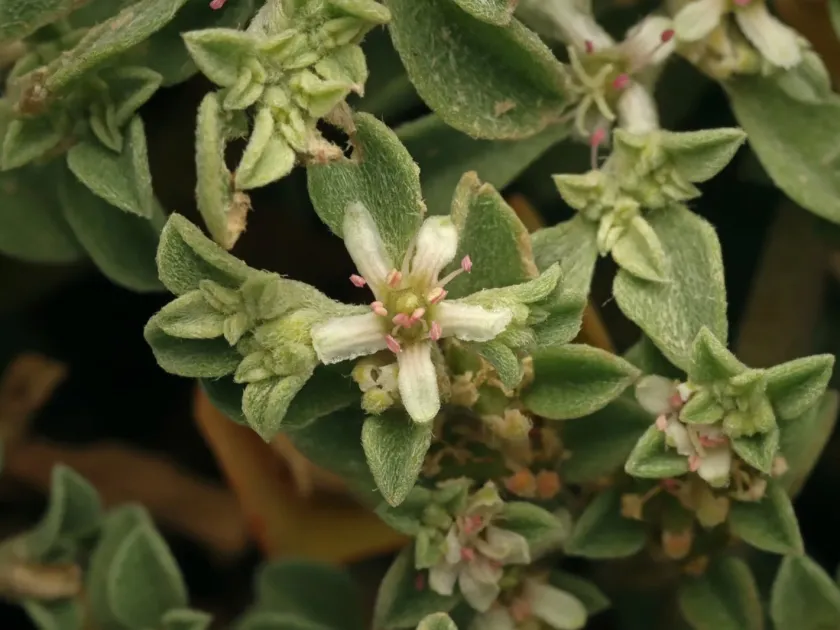
Description
Sowing dates
The sowing of Aizoon pubescens requires precise temperature control. Seeds should be sown in late spring when the soil temperature consistently reaches 20 to 25 degrees Celsius, as the plant is highly sensitive to cold.
Seeds need to be sown shallowly, barely covered with a fine layer of sand or substrate. Light is an essential factor for successful germination, so avoiding deep burial is crucial for the seedlings to emerge properly.
A well-draining, sandy-based medium is recommended to prevent seed decay. A mix of peat-free substrate combined with grit ensures that the moisture remains balanced enough to trigger germination without causing rot.
The germination period can be irregular, requiring patience. Maintaining a warm and stable environment with moderate humidity is key during the first stages of development before the seedlings establish their root system.
Once seedlings have sprouted, it is vital to provide them with ample light immediately. Insufficient lighting at this stage will result in weak, etiolated plants that may not survive the transition to outdoor or permanent conditions.
Growing requirements
Aizoon pubescens is a member of the Aizoaceae family, adapted to survive in arid, high-light environments. It serves as a classic example of a xerophytic plant that thrives in nutrient-poor conditions.
The soil profile must be predominantly sandy or rocky, offering excellent permeability. Any water logging will damage the roots, so the growing medium must allow water to pass through almost instantly after irrigation.
Climatic requirements focus on heat and direct sunlight. This plant is not frost-tolerant and requires long days of sunshine to maintain its health and display its unique pubescent foliage features effectively.
Watering strategy should mimic the natural desert cycles. During the growing season, watering should be infrequent and restricted, allowing the soil to dry out completely between applications to avoid root asphyxiation.
The presence of fine hairs, or pubescence, on the plant's surface acts as a protective shield. This structural adaptation helps in reflecting intense solar radiation and minimizing water loss, enabling the plant to withstand extreme heat.
Main diseases and pests
Fungal diseases, specifically root rot, are the primary threat to the stability of Aizoon pubescens. These pathogens thrive in damp, stagnant environments and can lead to irreversible damage in a very short time.
Spider mites are common pests that affect the plant during periods of low humidity. They feed on the succulent leaves, causing yellowing and weakening the plant's overall vitality if left unchecked.
Powdery mildew can occur if the airflow around the plants is inadequate. This fungus manifests as a white, powdery coating on the surface, which hampers photosynthesis and slows down the plant's growth.
Good agricultural practices are the best defense against threats. Ensuring proper spacing between individual plants and maintaining a clean, well-ventilated space are essential to keep the crop healthy and resilient.
Regular monitoring of the foliage for signs of pest damage or discoloration is recommended. If intervention is required, light applications of organic-friendly treatments are preferred to protect the plant's delicate tissues.