
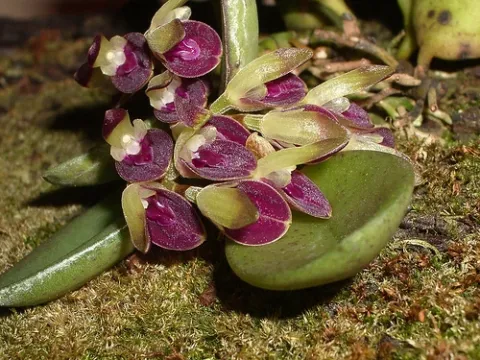
Acianthera appendiculata
Acianthera appendiculata
Acianthera appendiculata is a distinctive epiphytic orchid belonging to the Orchidaceae family. Native to the tropical regions of Brazil, it thrives in high-humidity environments, usually growing on tree trunks in its natural habitat.
What the section contains
Acianthera appendiculata
The optimal climate for this species requires stable, moderate temperatures ranging between 18 and 24 degrees Celsius. It does not tolerate wide temperature fluctuations, which can stress the plant and stunt its vegetative growth.
Lighting requirements are specific: the plant requires bright but indirect, diffused light. Direct tropical sunlight is detrimental and can cause rapid scorching of the delicate leaves, necessitating the use of light-filtering curtains or greenhouse shade cloth.
For soil and potting media, a free-draining substrate is mandatory. A mixture consisting of pine bark, charcoal, and sphagnum moss is recommended to provide both the necessary drainage and moisture retention required by its epiphytic roots.
Consistent high relative humidity, maintained at 70-80 percent, is essential for the healthy development of this orchid. Using ultrasonic humidifiers or misting systems ensures that the plant remains hydrated without waterlogging the roots.
Spider mites are a common threat, particularly when air circulation is poor and humidity levels drop below optimal ranges. Regular inspection of the undersides of the leaves is critical for early detection.
Mealybugs can manifest as white, cotton-like masses in leaf axils or near the rhizome. Their control often requires manual removal combined with the application of appropriate contact insecticides or horticultural oils.
Fungal infections, which manifest as leaf spots or stem rot, are typically triggered by stagnant air and excess moisture on the foliage. Maintaining adequate air movement with circulation fans is a key prophylactic measure.
Root rot remains the most common threat caused by improper watering practices. If the substrate breaks down and becomes too compact, oxygen is cut off from the roots, leading to plant decline and eventual death.
Preventative maintenance, including the use of sterilized tools and keeping the growing area clean, is the best approach to ensure the long-term health and vitality of these delicate specimens.