
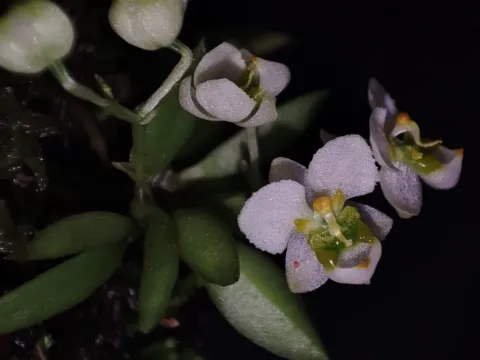
Zygostates
Zygostates
Zygostates is a genus of miniature epiphytic plants belonging to the Orchidaceae family. Native to the tropical regions of South America, primarily Brazil, these plants naturally thrive on tree bark, benefiting from the humid environment of the rainforest canopy.
What the section contains


Zygostates
In terms of agricultural status, Zygostates is strictly classified as an ornamental plant. It does not possess any significant commercial or food value; however, it is highly sought after by orchid enthusiasts for its unique and delicate floral display.
Cultivation requirements for Zygostates demand high ambient humidity, ideally maintained above 65 percent. The plant requires bright, filtered light to mimic the dappled sunshine of its native habitat, avoiding direct exposure which can scorch the foliage.
The substrate must be highly porous and well-draining, typically consisting of fine-grade bark, charcoal, and perlite. This mixture allows roots to breathe while maintaining the necessary moisture retention for the plant to thrive without becoming waterlogged.
Temperature management is critical, with a preference for moderate conditions. Stability is key, as the plant reacts poorly to dramatic fluctuations, which can trigger physiological stress and weaken the plant's natural defense mechanisms.
The primary threats to Zygostates health are fungal and bacterial infections caused by poor aeration and excessive moisture. Root rot is a common complication when the medium does not dry out sufficiently between watering sessions.
Pest infestations, particularly spider mites and mealybugs, are frequent challenges for growers. These pests often proliferate in environments with low air circulation or when the plant is already suffering from improper care or stress.
Control strategies involve the application of mild, plant-safe insecticides and manual removal of pests. Maintaining a clean growing area and isolating new specimens helps prevent the spread of diseases across an orchid collection.
Proactive care includes monitoring the root zone and ensuring the crown of the orchid stays dry after watering. Stagnant water sitting in the leaf axils is a leading cause of localized necrosis and plant decline.
Regular fertilization with an orchid-specific diluted formula supports healthy growth and disease resistance. However, it is essential to flush the substrate periodically with pure water to prevent the harmful buildup of mineral salts.